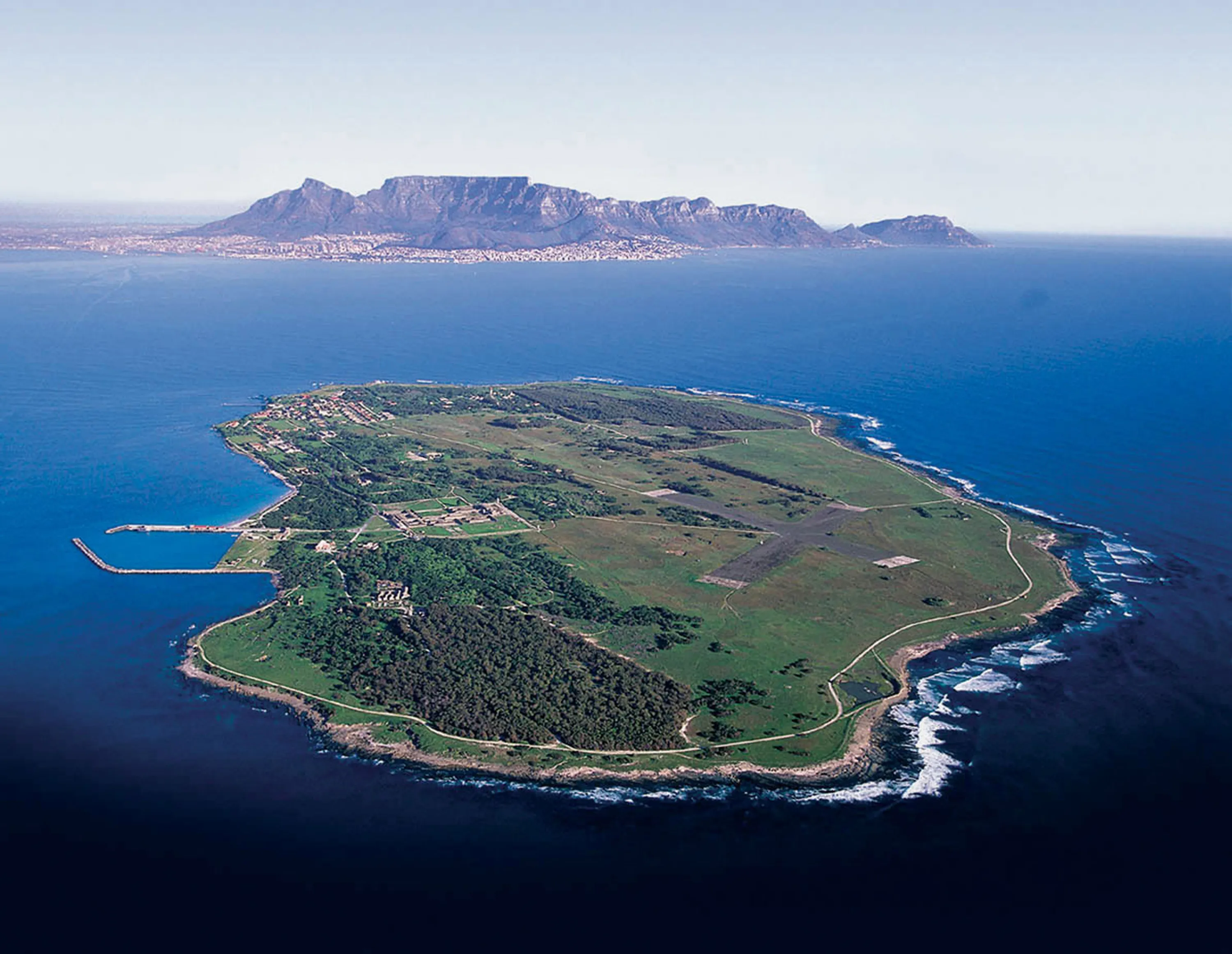
Robben Island: The Ultimate Visitor Guide (Tickets, Ferry, Prison Tour, Mandela Context)
Plan a thoughtful Robben Island visit with ferry advice, timing, what to see, Mandela context, museum etiquette, and practical Cape Town tips.
→
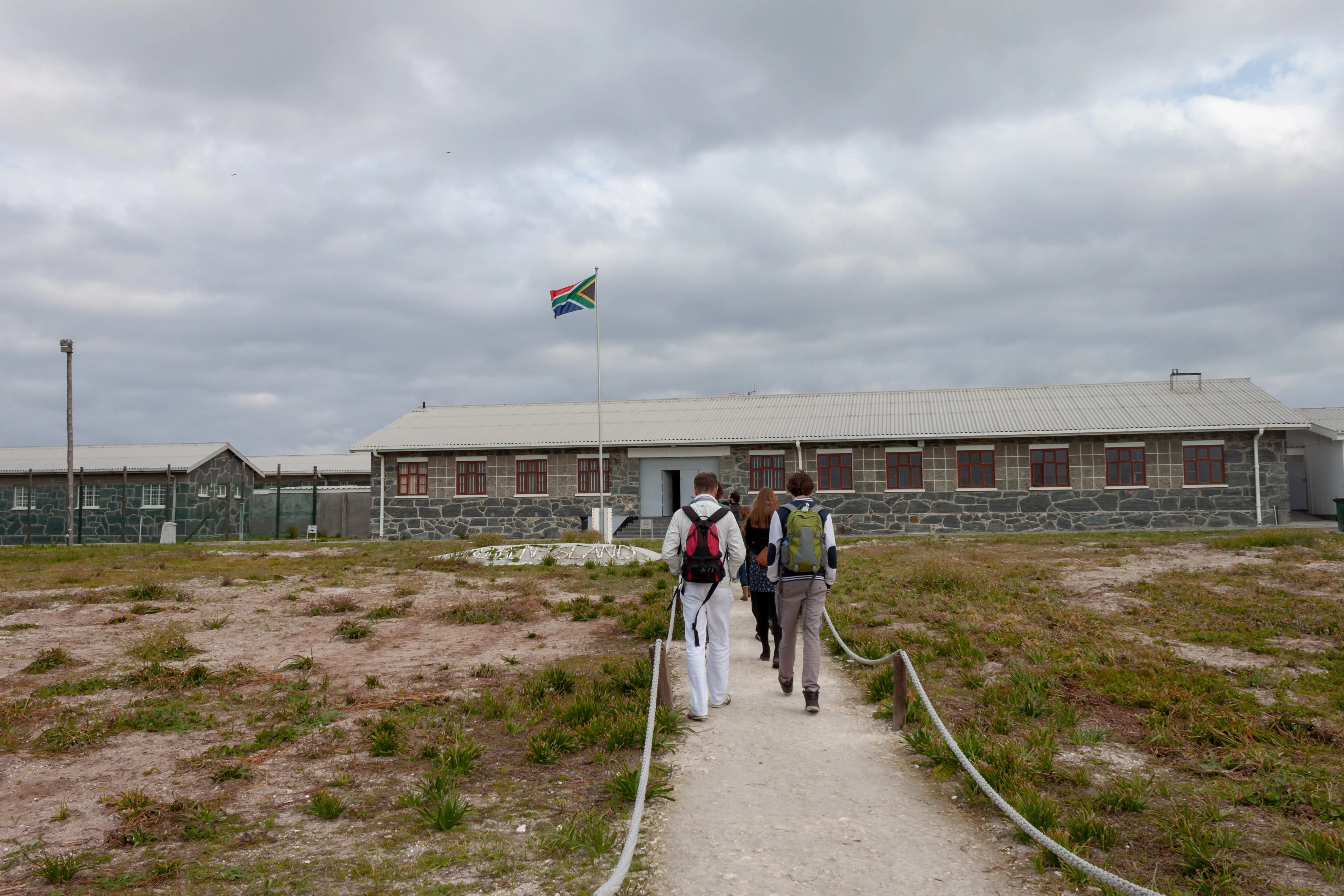
What to See on a Robben Island Tour: The Most Important Stops and Why They Matter
A visitor-focused guide to the key Robben Island stops, from the ferry arrival and bus route to the prison block, quarry, and Mandela's cell.
→
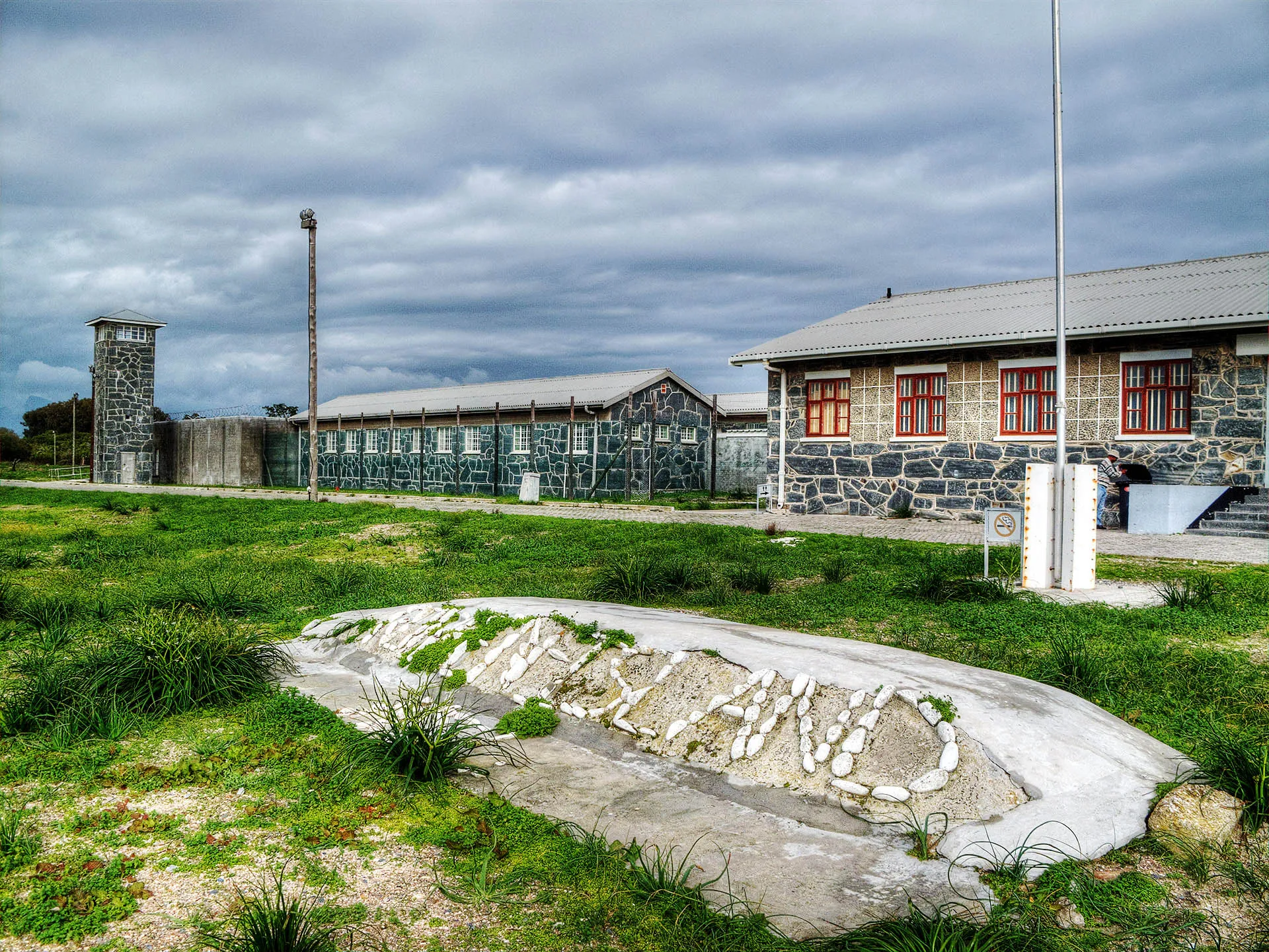
Robben Island Ferry Guide: Where to Board, What to Expect, and How Weather Changes Everything
A practical guide to the Robben Island ferry, including where to board, seasickness prep, delays, cancellations, and timing your V&A Waterfront day.
→
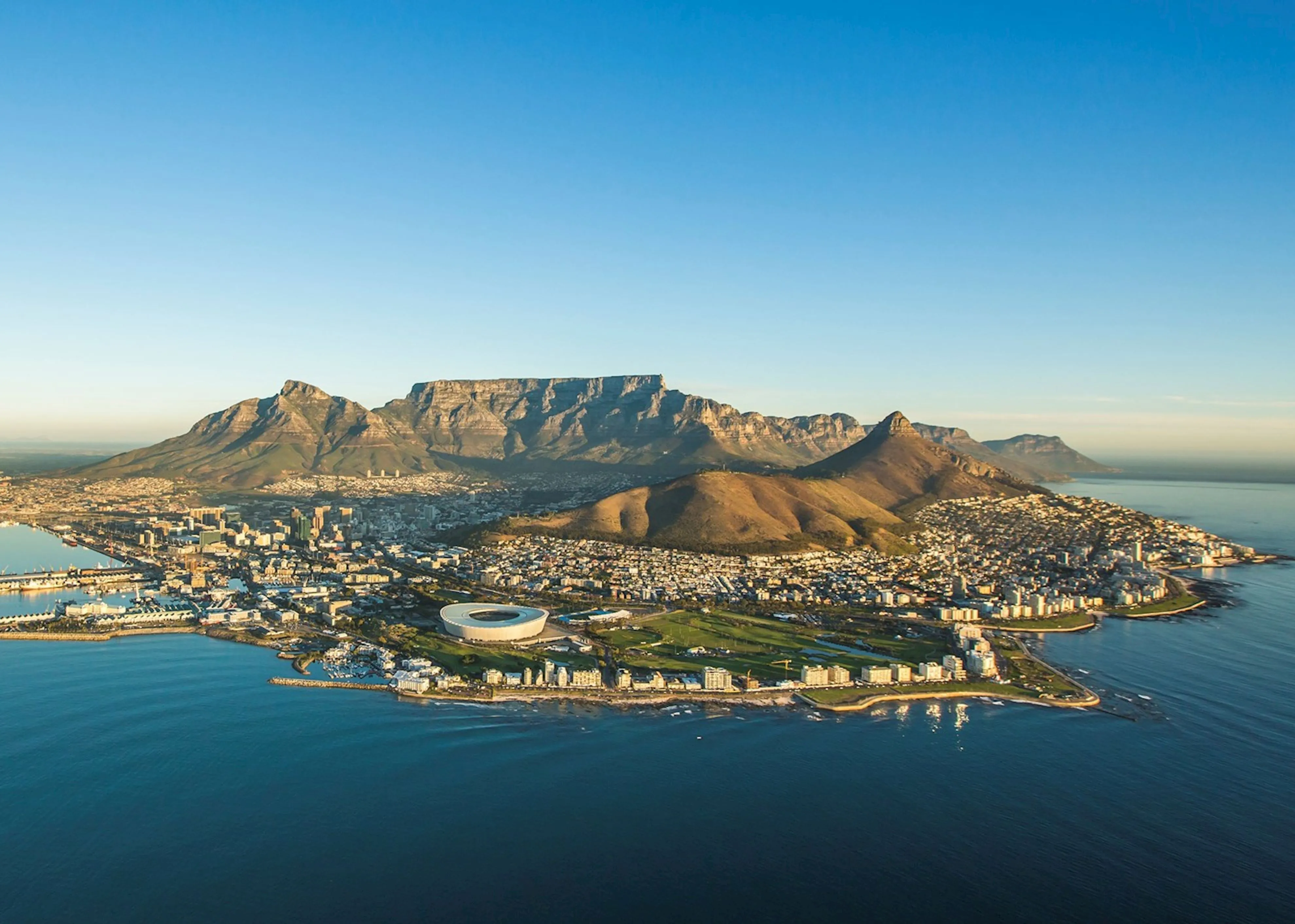
How to Fit Robben Island Into a Cape Town Day: Realistic Itineraries That Actually Work
Plan a realistic Cape Town day around Robben Island, the V&A Waterfront, District Six Museum, and flexible weather-aware backup options.
→
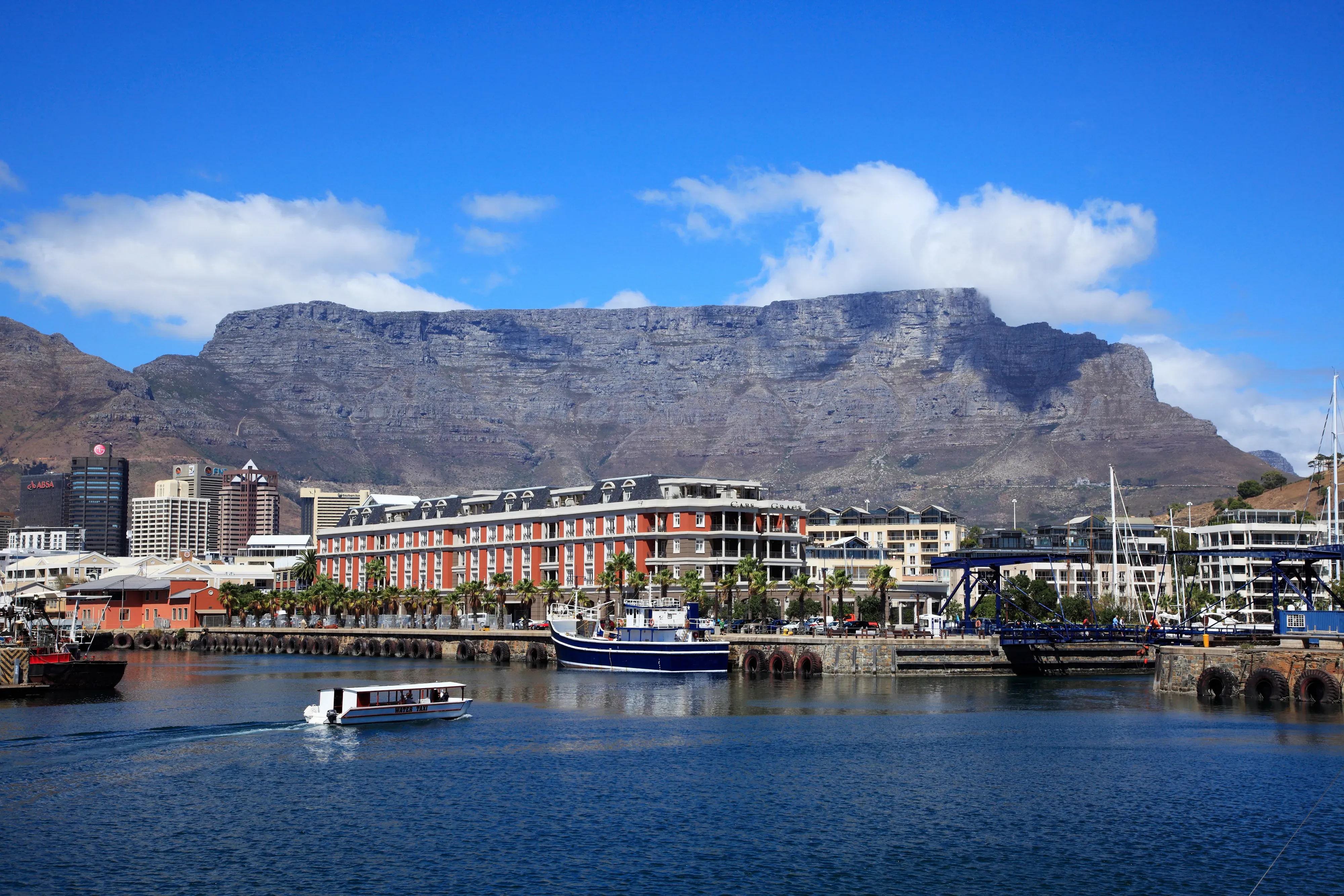
Best Time to Visit Robben Island: Seasons, Wind, Light, and Crowd Strategy
Choose the best time for Robben Island by weighing weather, boat conditions, booking pressure, visibility, and how serious history tourism feels in each season.
→
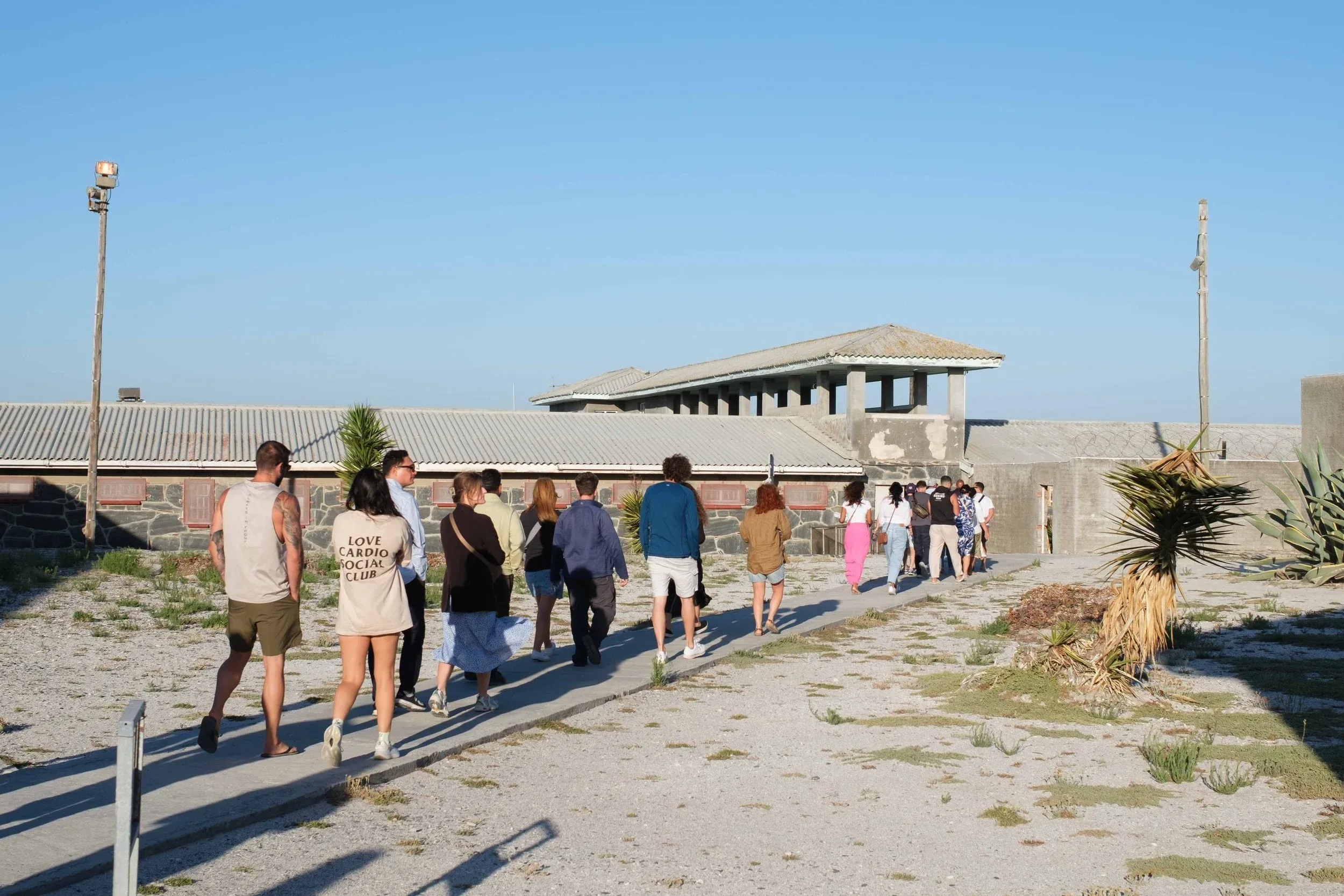
Visiting Robben Island With Kids or Teens: Is It Worth It and How Should You Frame It?
A practical guide for families considering Robben Island, including age suitability, how to explain apartheid, pacing, ferry prep, and follow-up discussion.
→
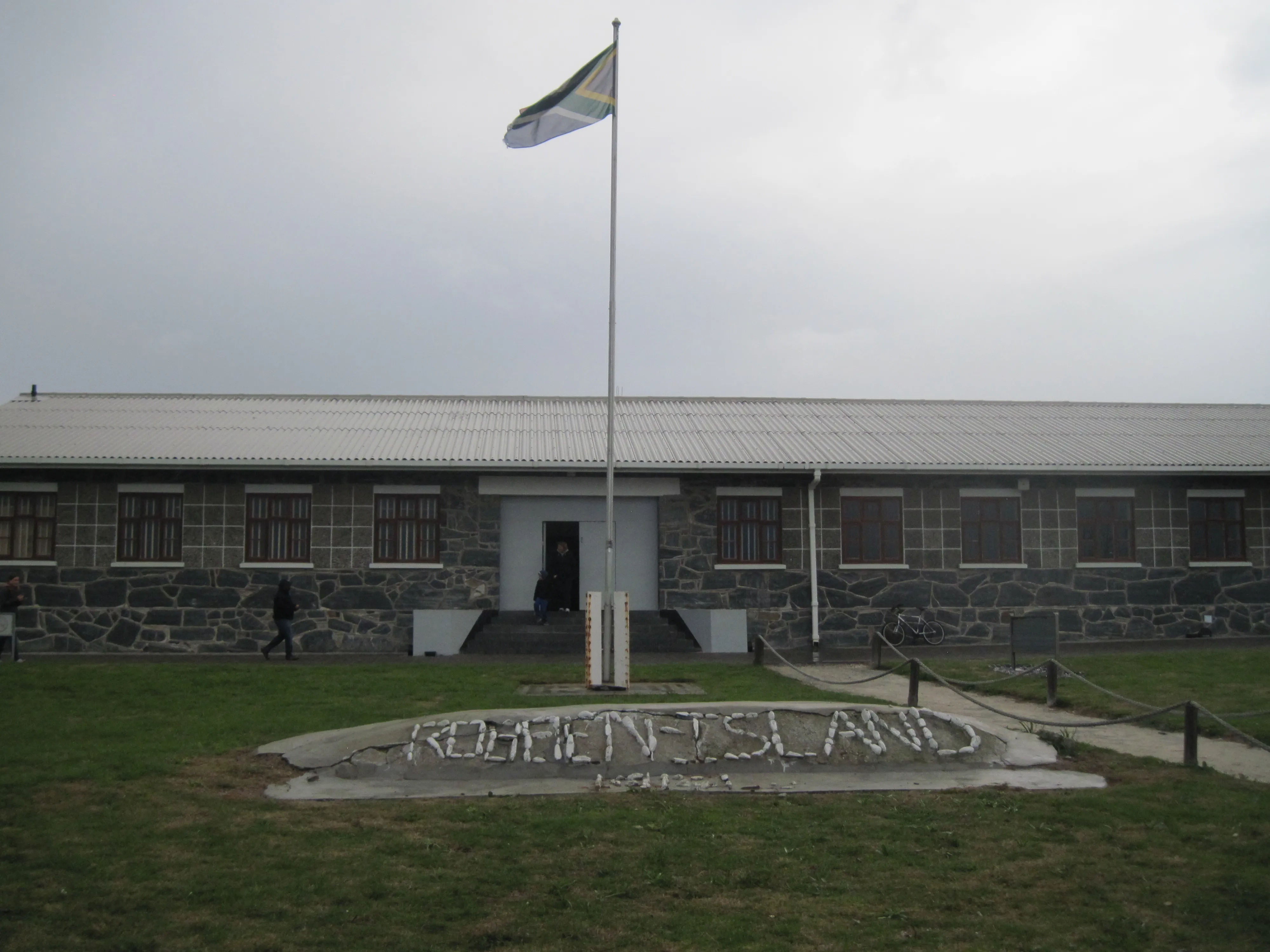
Robben Island Accessibility and Practical Tips: Walking, Seating, Wind, and Expectations
Prepare properly for a Robben Island visit with advice on walking, boat comfort, seating, weather exposure, timing, and accessibility expectations.
→
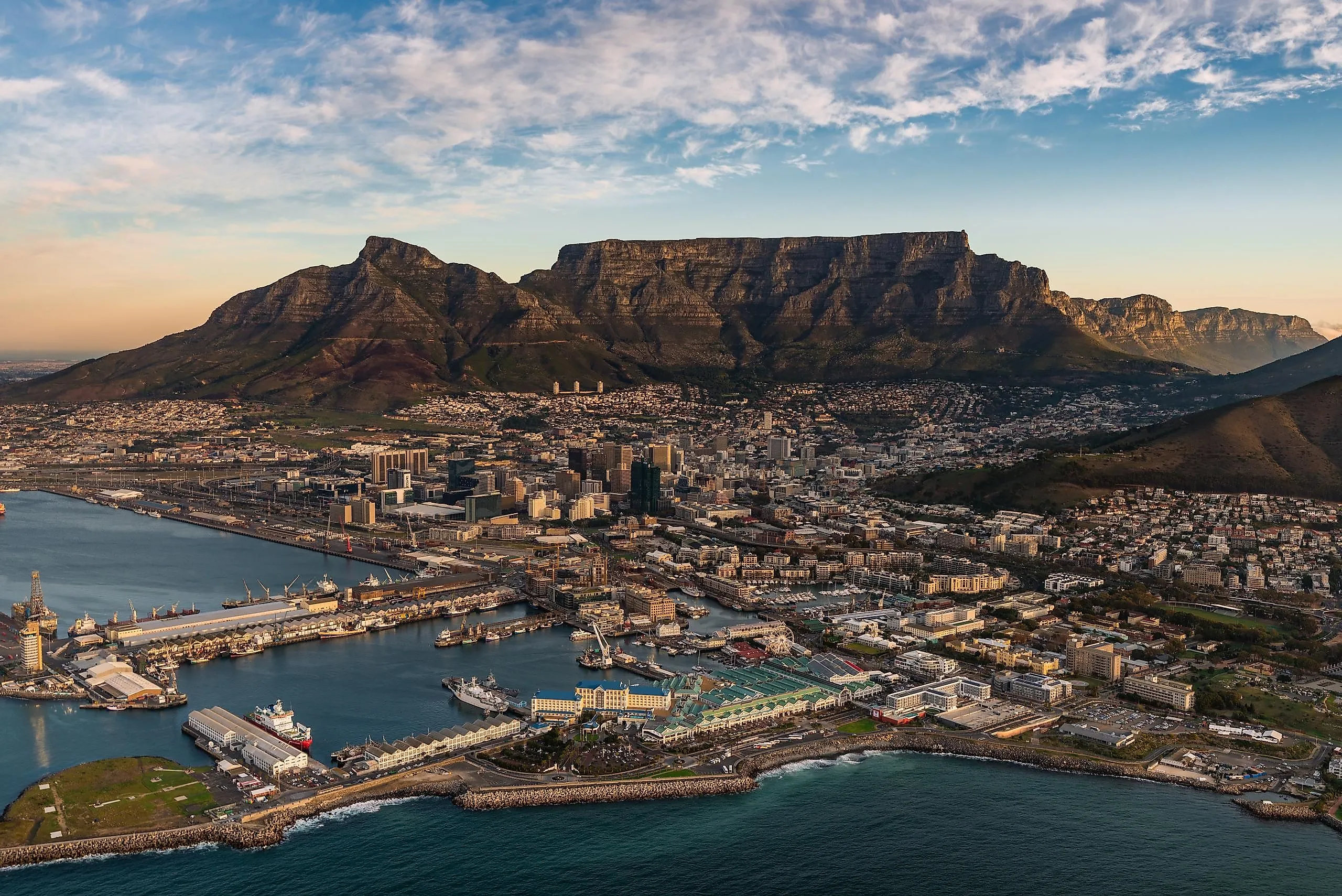
Robben Island vs District Six Museum vs Table Mountain: What Should You Prioritize?
Compare Robben Island with District Six Museum and Table Mountain by visitor type, emotional weight, logistics, and how each shapes your understanding of Cape Town.
→
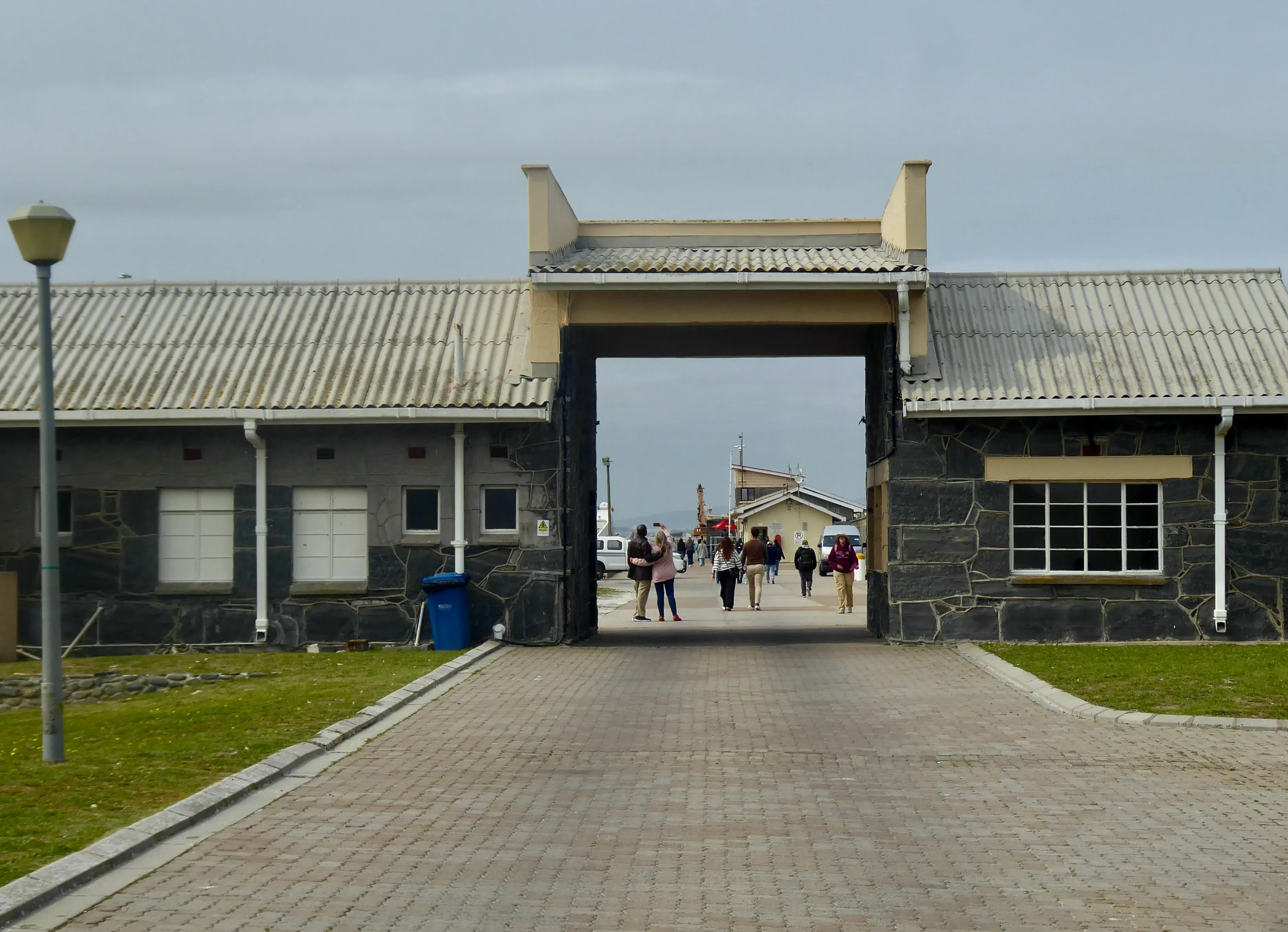
Robben Island Etiquette: How to Visit Respectfully Without Flattening the History
A practical etiquette guide for Robben Island covering behavior, photography, listening, questions, group conduct, and how to engage with testimony respectfully.
→
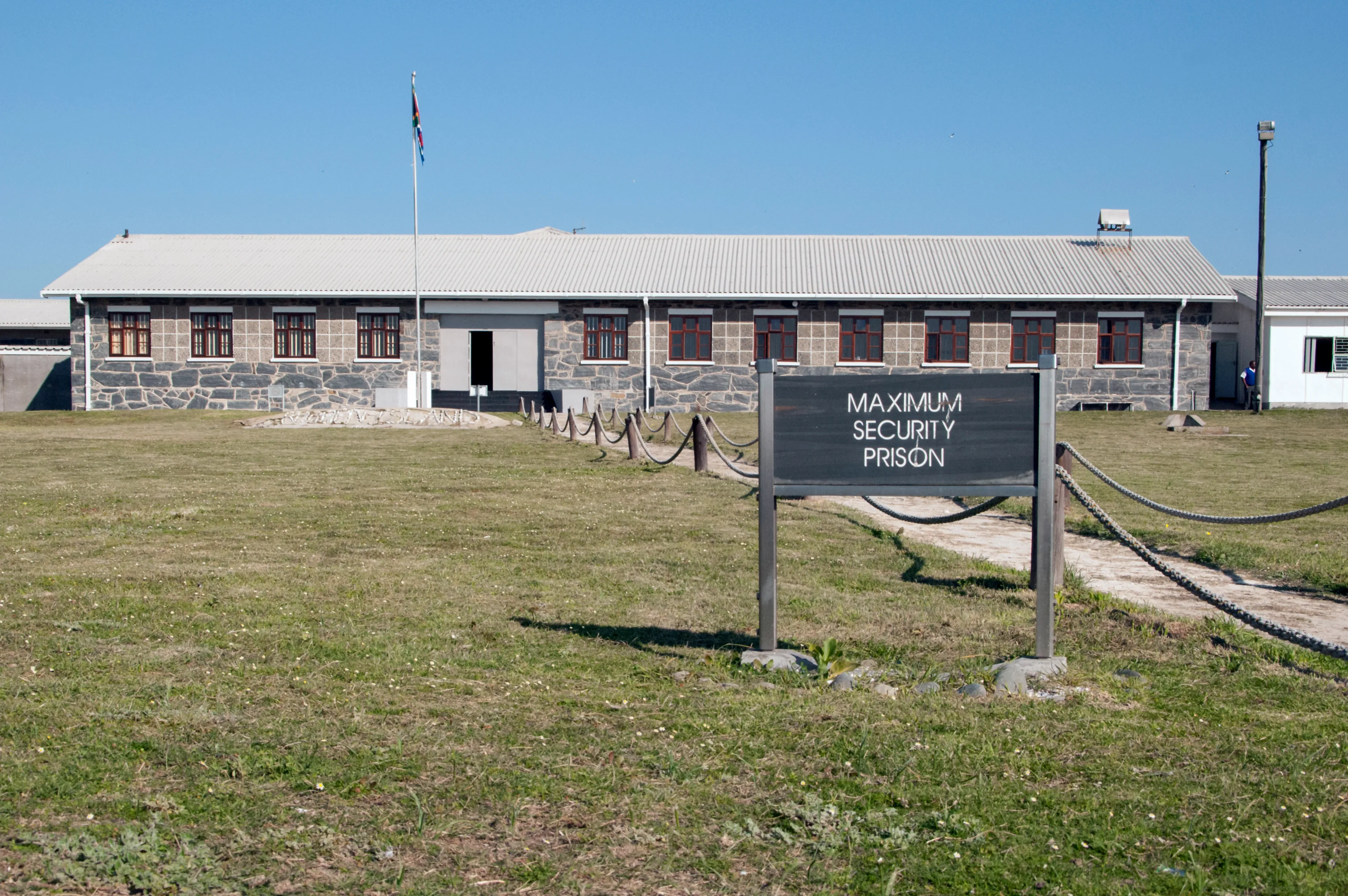
Robben Island FAQ for First-Time Visitors: Tickets, Duration, Sea Conditions, and Expectations
Straight answers to common Robben Island questions about tickets, tour duration, seasickness, weather, photography, children, and historical expectations.
→
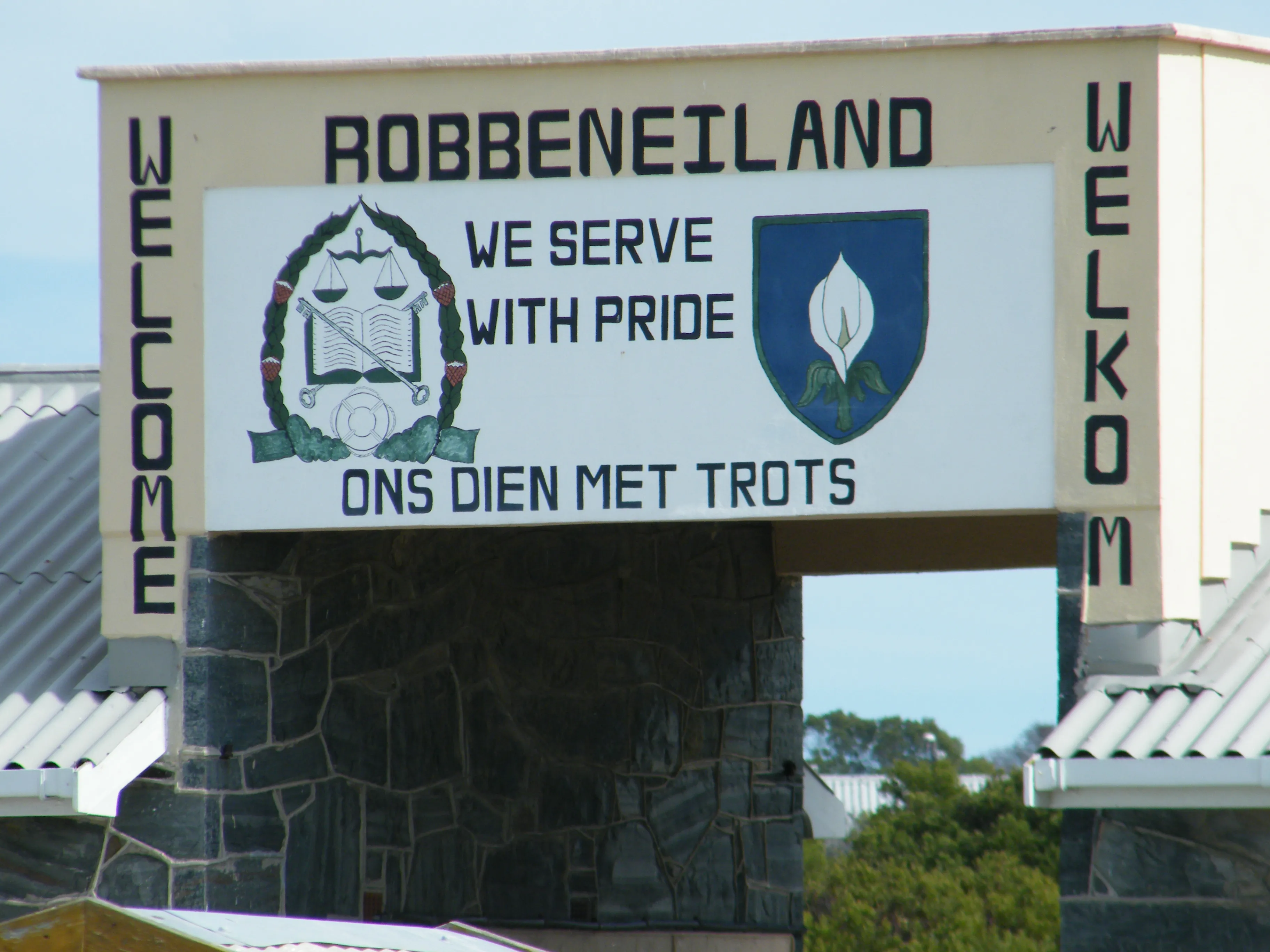
Planning a Thoughtful Robben Island Visit: How to Prepare Mentally, Not Just Logistically
Go beyond tickets and ferry times with advice on preparing for the emotional, historical, and ethical dimensions of a Robben Island visit.
→
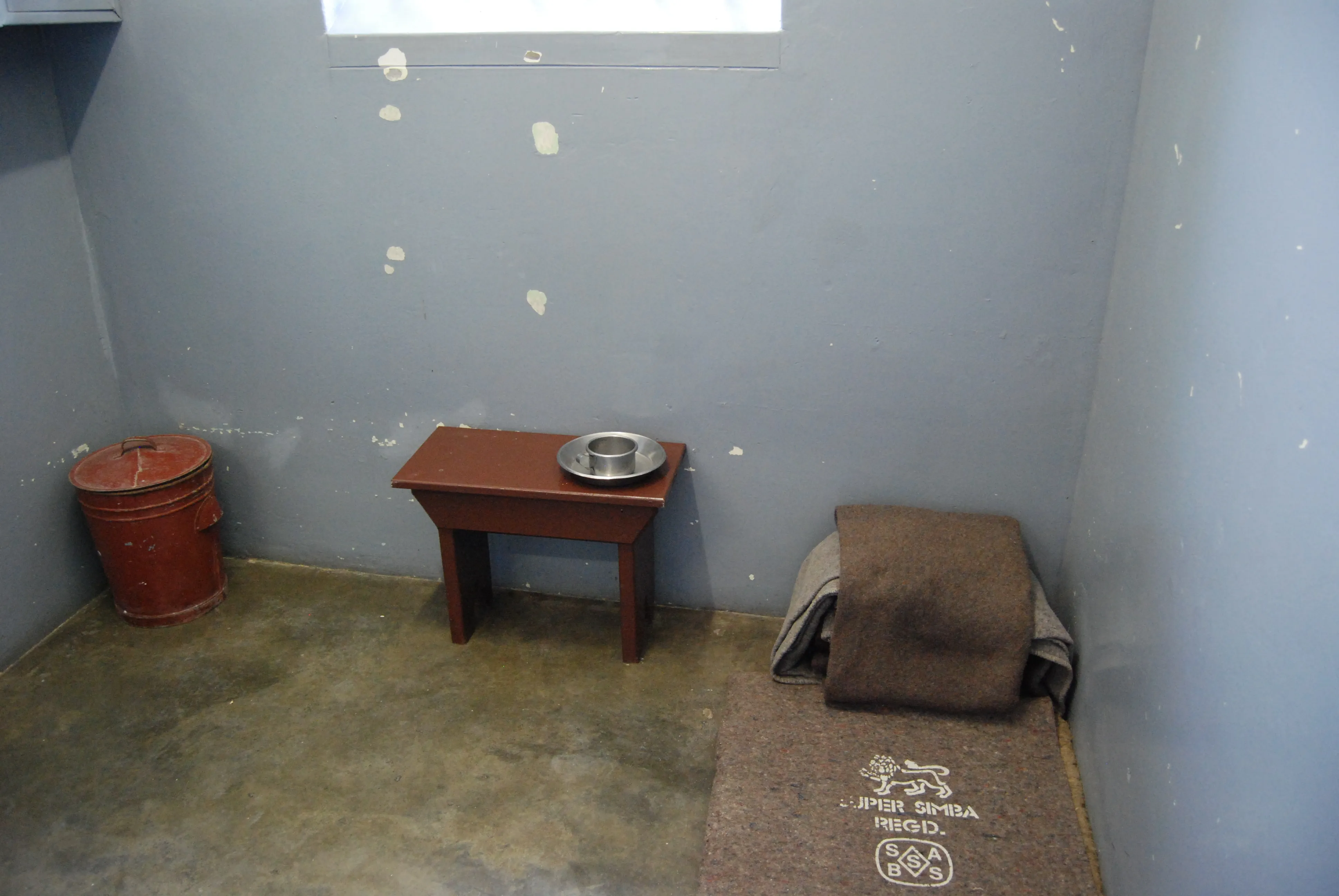
Nelson Mandela on Robben Island: What Happened During the 18 Prison Years?
A clear, detailed look at Mandela's Robben Island years: arrival, daily routines, labor, study, leadership, restrictions, and symbolic legacy.
→
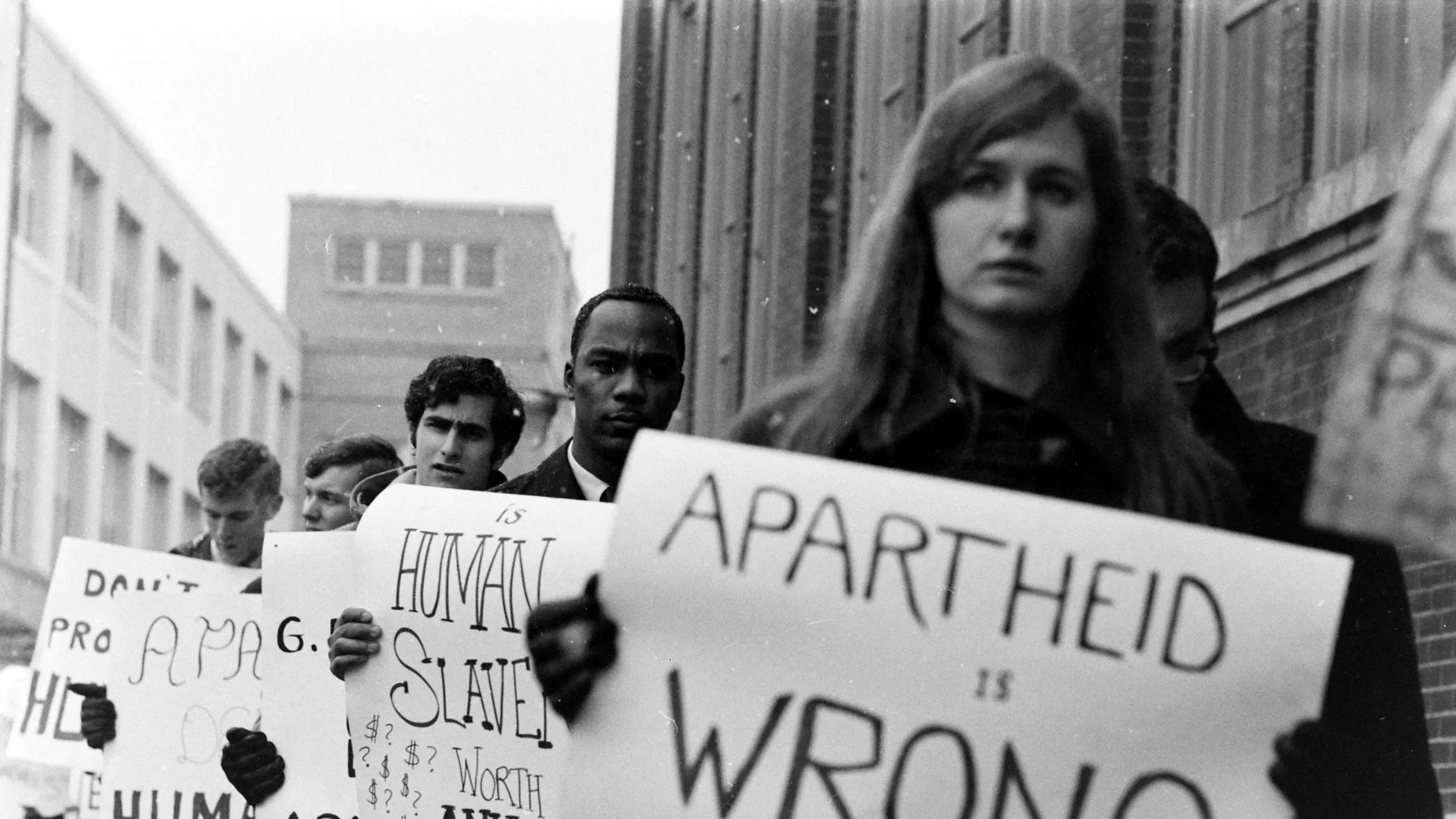
Apartheid Explained for Robben Island Visitors: The Context You Need Before the Tour
A concise but detailed primer on apartheid laws, racial classification, forced separation, political repression, and why Robben Island matters.
→
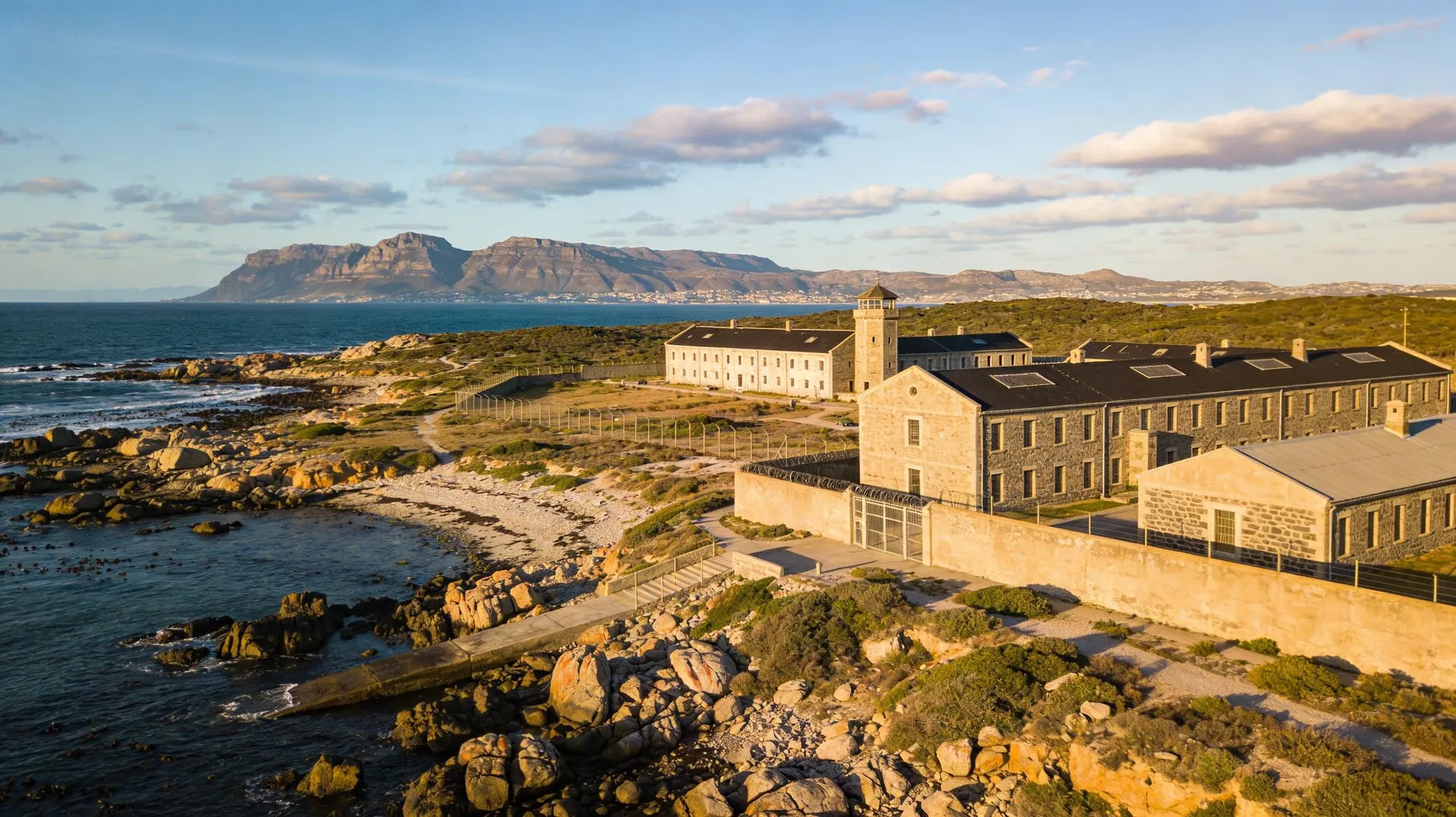
Robben Island History Timeline: From Place of Exile to Democratic Memory Site
Follow the long history of Robben Island across colonial banishment, medical isolation, military use, apartheid imprisonment, and memorialization.
→
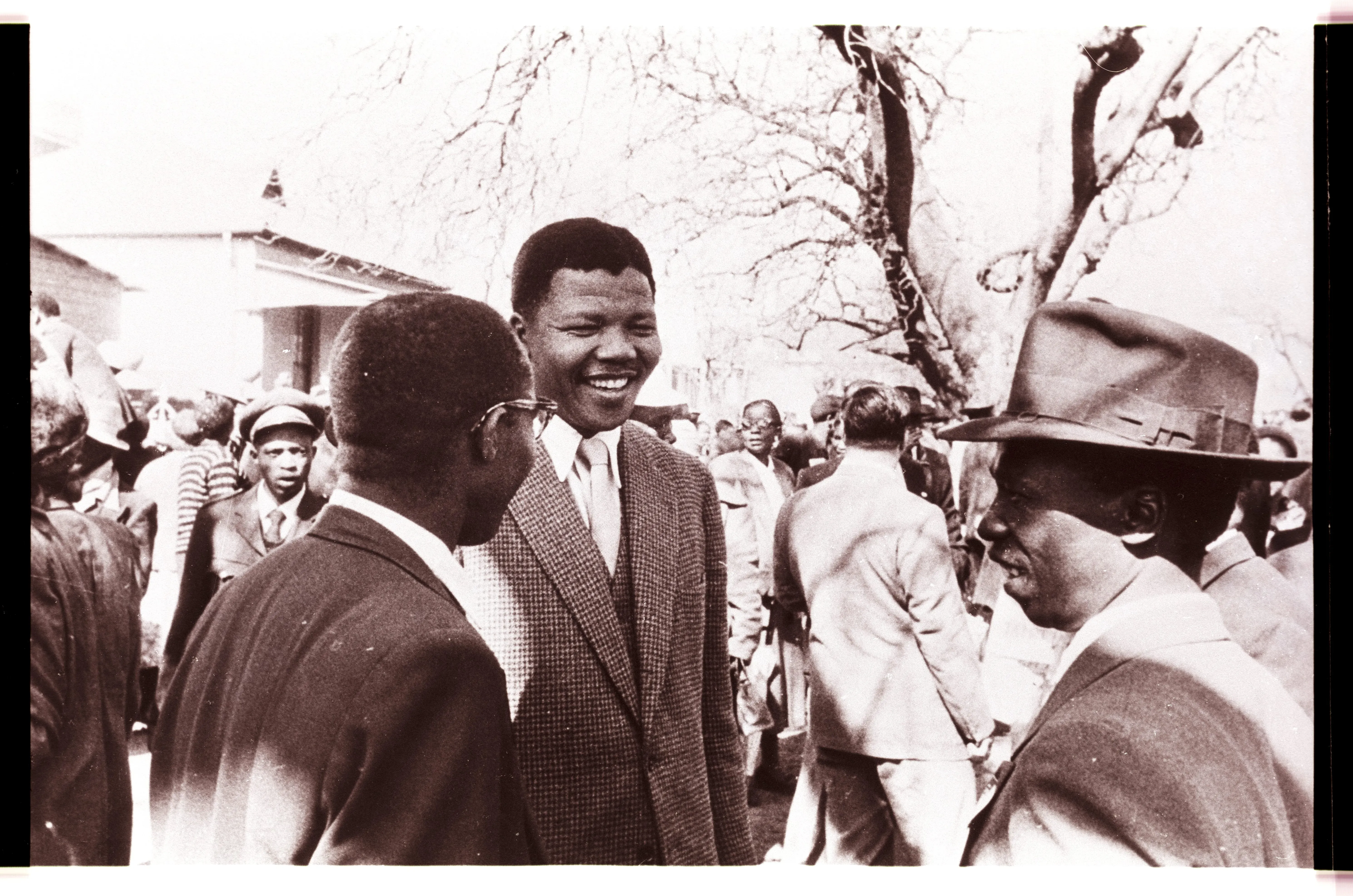
The Rivonia Trial and the Road to Robben Island: How Mandela Ended Up There
Understand the Rivonia Trial, the crackdown on anti-apartheid activism, and why Robben Island became central to Mandela's imprisonment story.
→
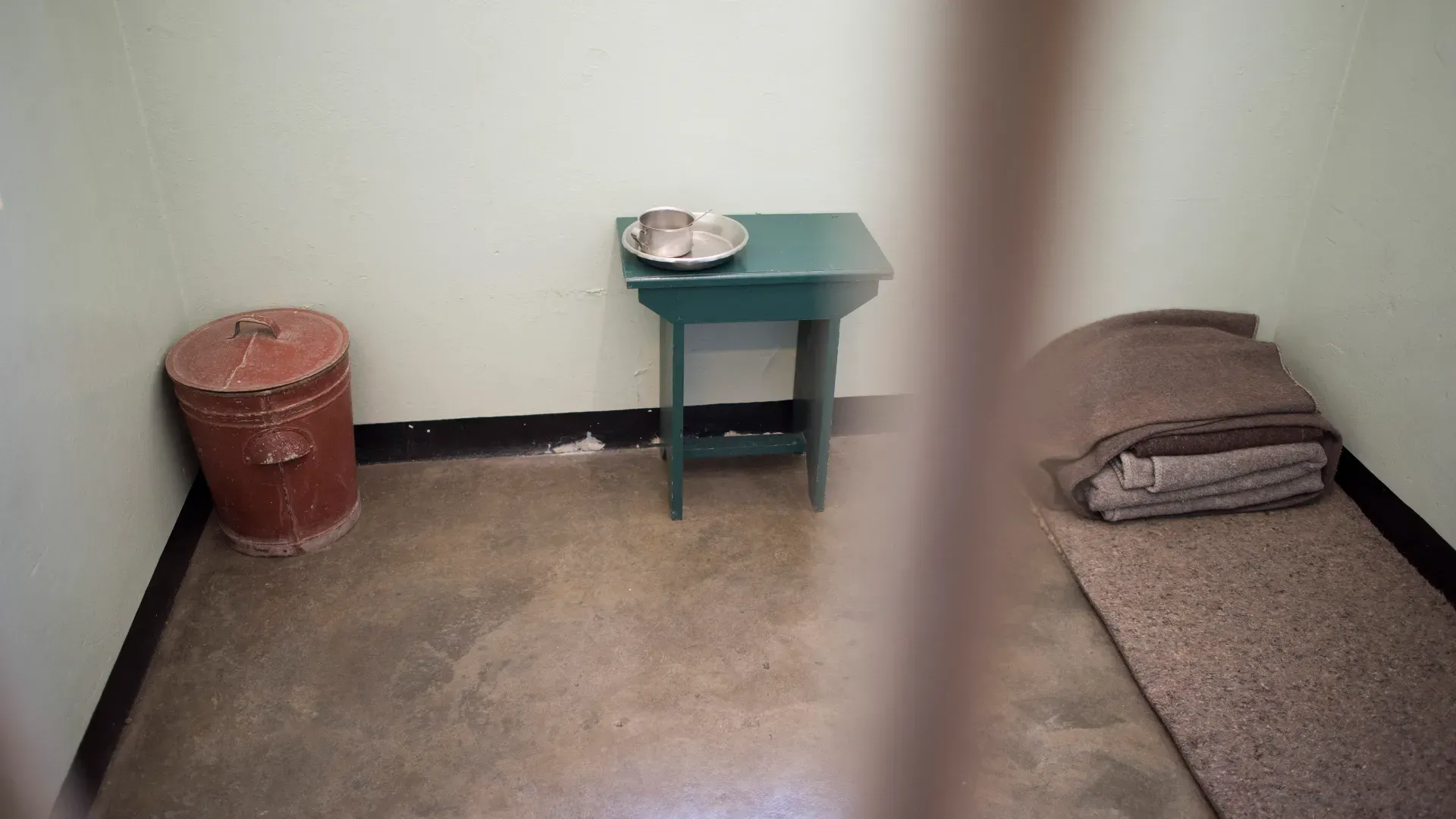
Mandela's Cell on Robben Island: Meaning, Myths, and What Visitors Often Miss
A focused look at Mandela's cell as a material space, a political symbol, and a site often oversimplified by visitors and media.
→
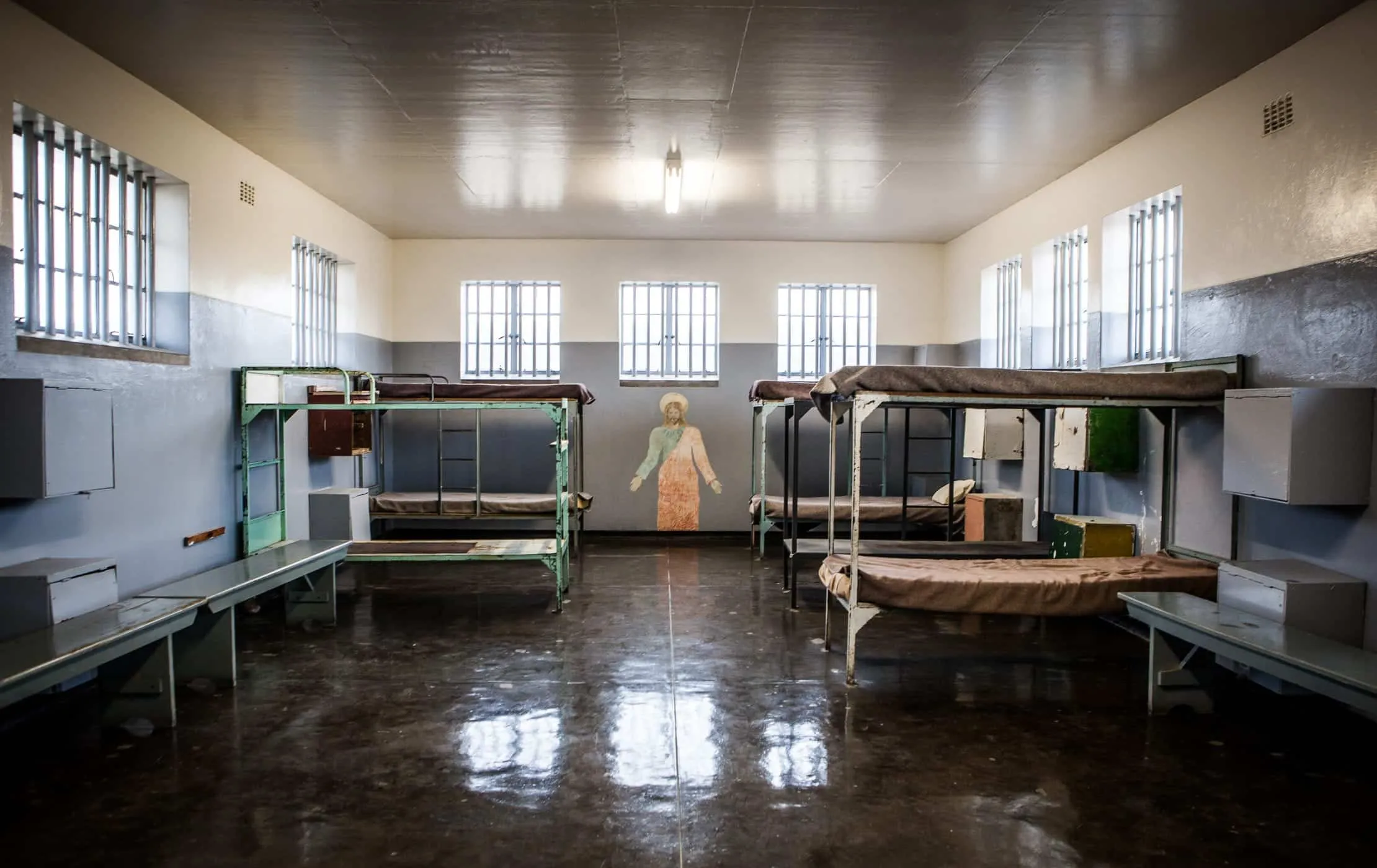
Life for Political Prisoners on Robben Island: Routine, Rules, and Quiet Resistance
Explore the daily realities of political prisoners on Robben Island, from labor and censorship to debate, study, discipline, and survival.
→
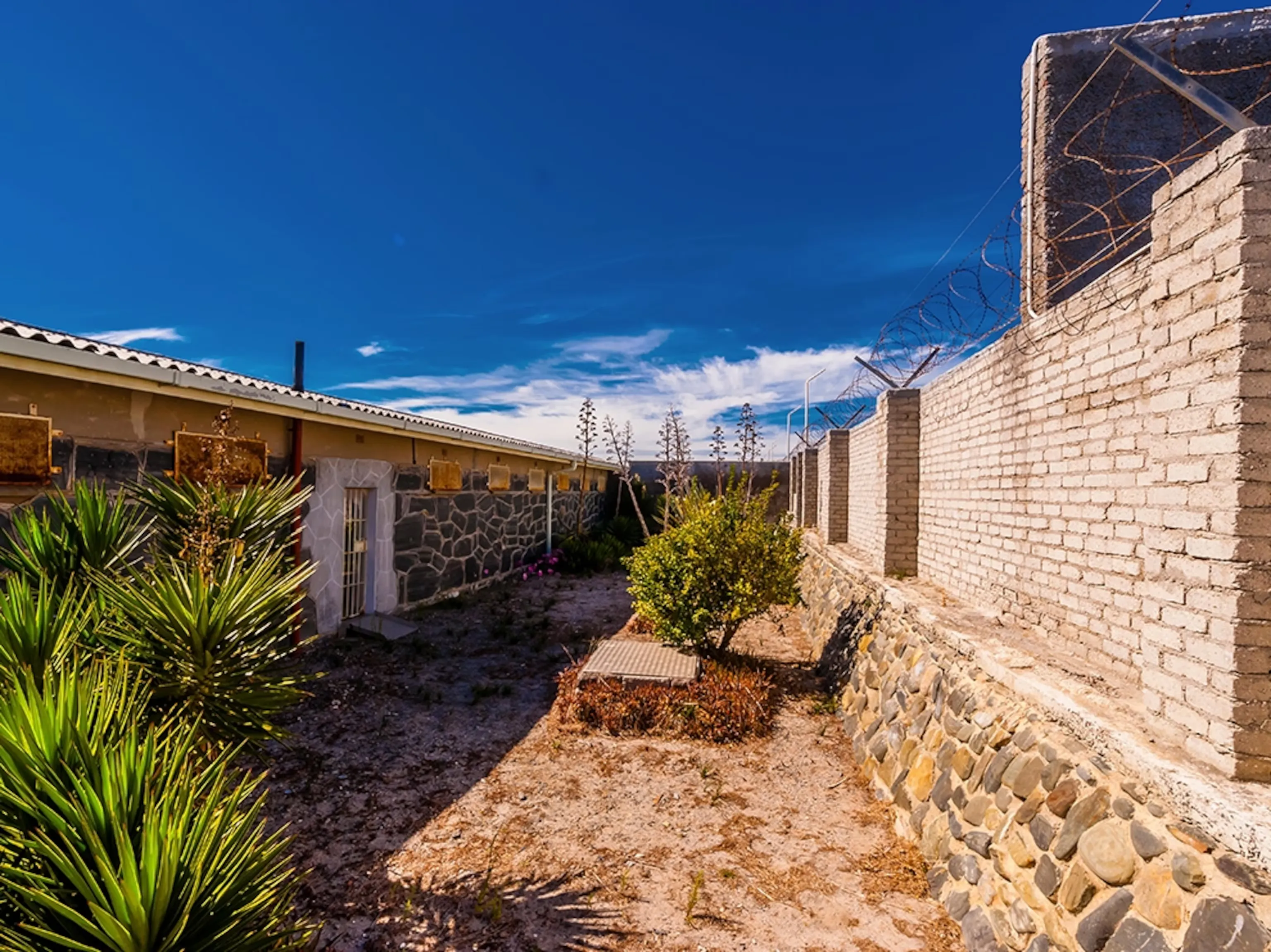
The Limestone Quarry and the 'University of Robben Island': Why This Stop Matters So Much
Learn why the limestone quarry is one of the most important places on Robben Island, linking forced labor, physical strain, debate, and political education.
→
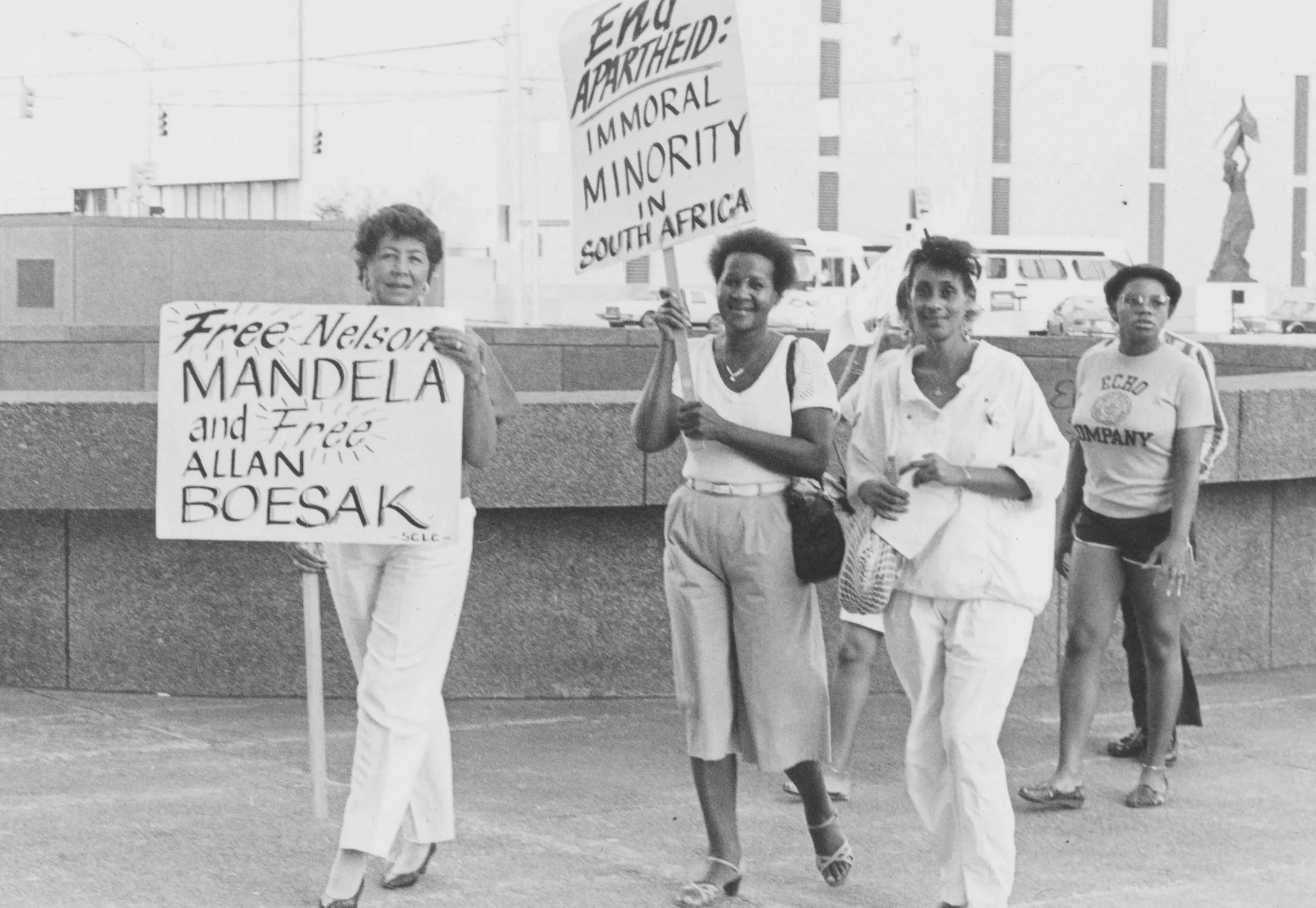
The Global Anti-Apartheid Movement: How Robben Island Became an International Symbol
See how protests, cultural boycotts, sanctions campaigns, and the Free Mandela movement turned Robben Island into a global political symbol.
→
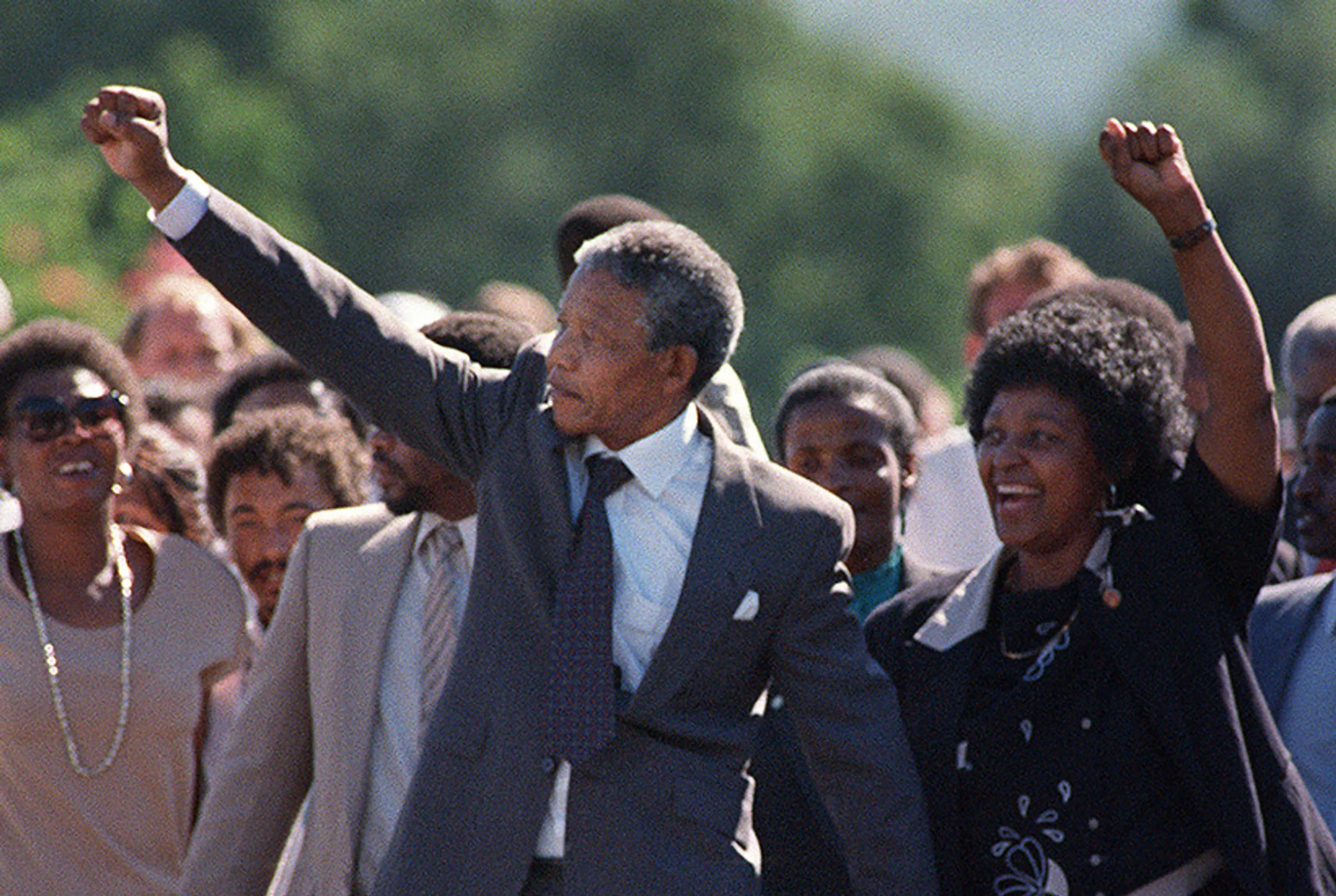
Mandela's Release and South Africa's Transition: What Robben Island Means in That Story
A readable guide to Mandela's release, the negotiations era, and how Robben Island changed from prison symbol to democratic memory site.
→
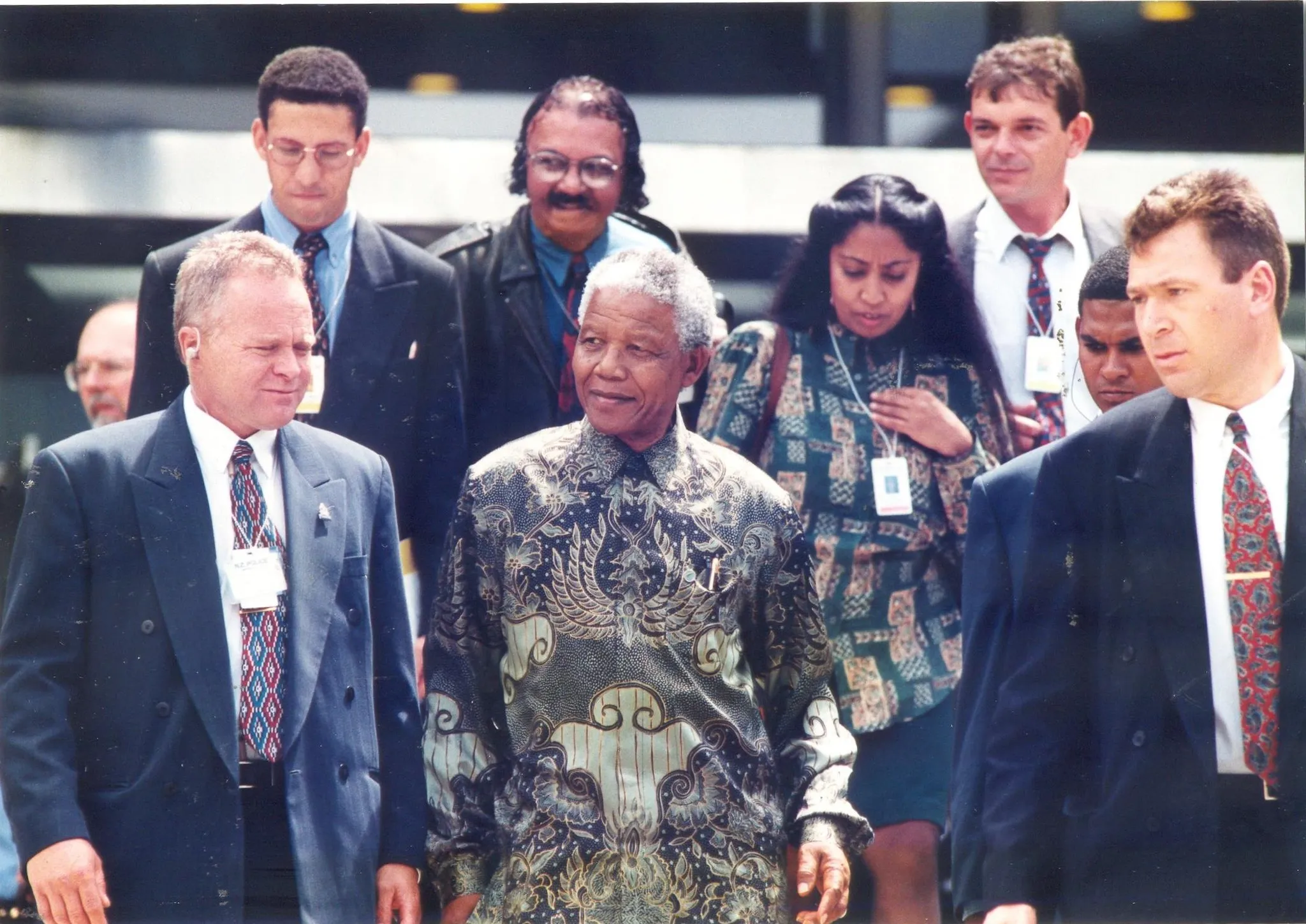
Mandela's Legacy in Cape Town: How to Connect Robben Island With the Rest of the City's Memory Landscape
Use Robben Island as a starting point to understand Mandela's legacy in Cape Town through linked sites, institutions, and democratic memory.
→
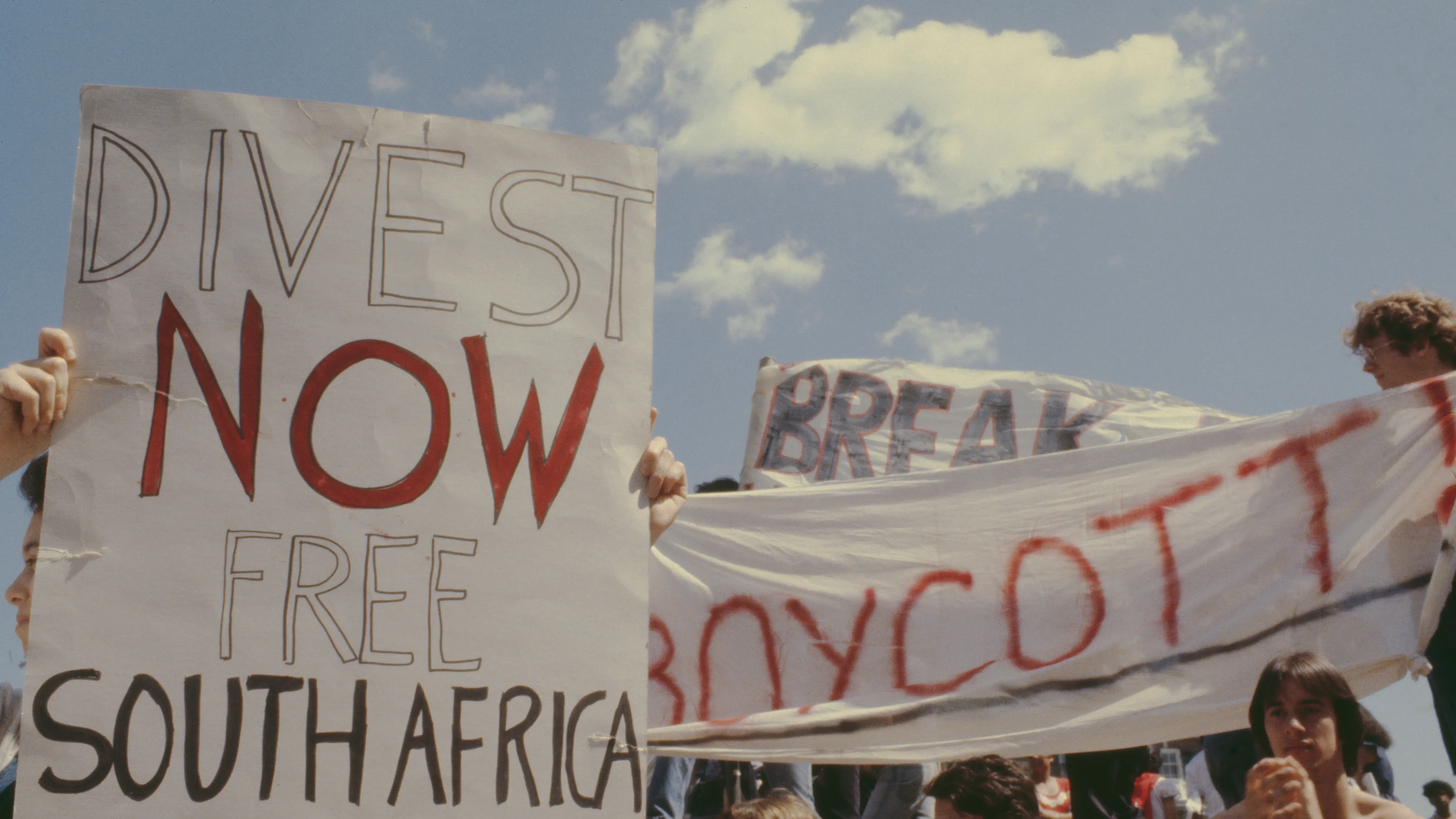
How Apartheid Shaped Everyday Life: The Background That Makes Robben Island Legible
Understand apartheid through daily life: movement controls, pass laws, segregated spaces, labor restrictions, education, and surveillance.
→
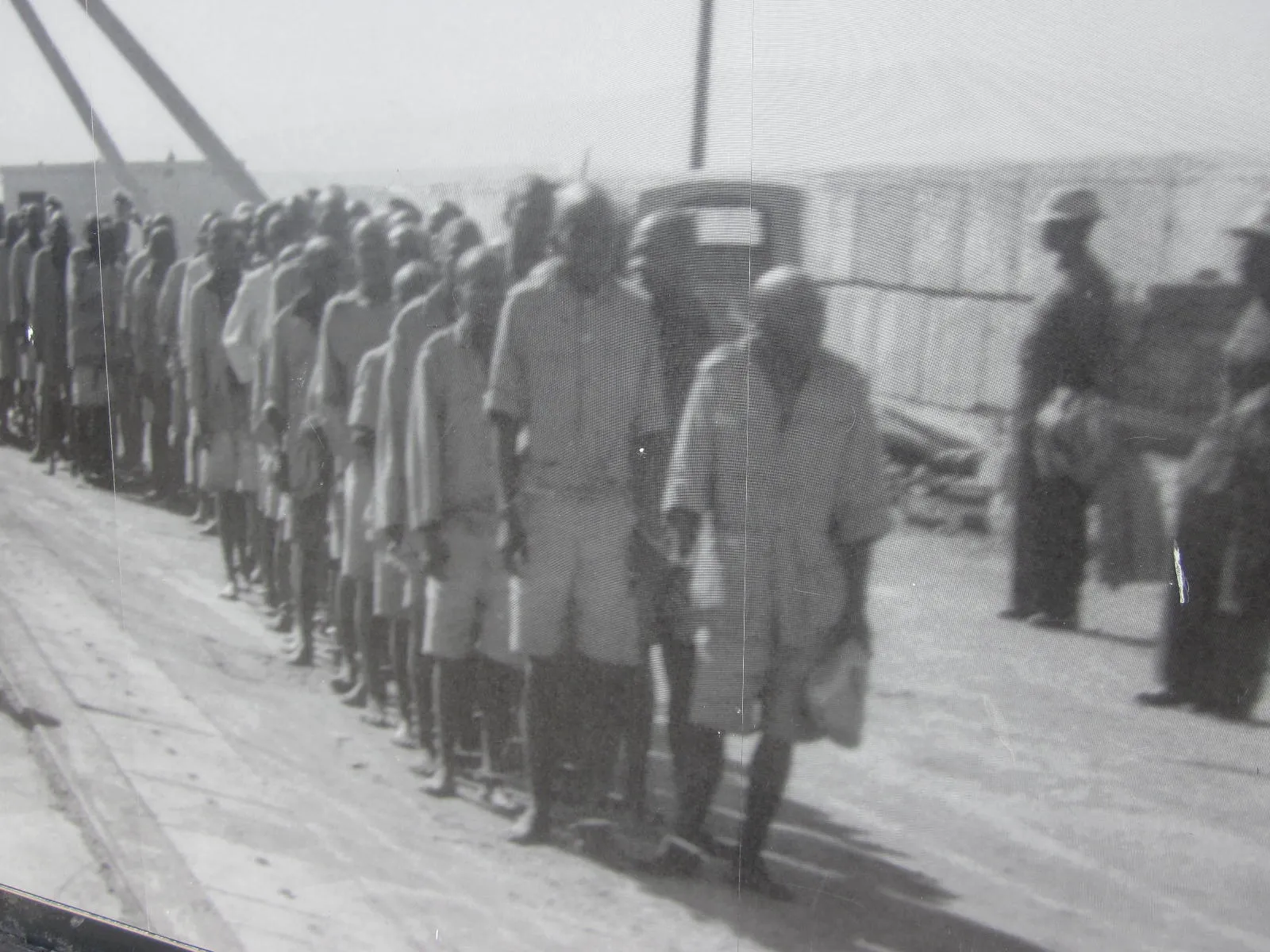
Beyond Mandela: Other Political Prisoners Who Make Robben Island Historically Important
Meet the broader political prisoner story on Robben Island and understand why reducing the site to Mandela alone distorts its importance.
→
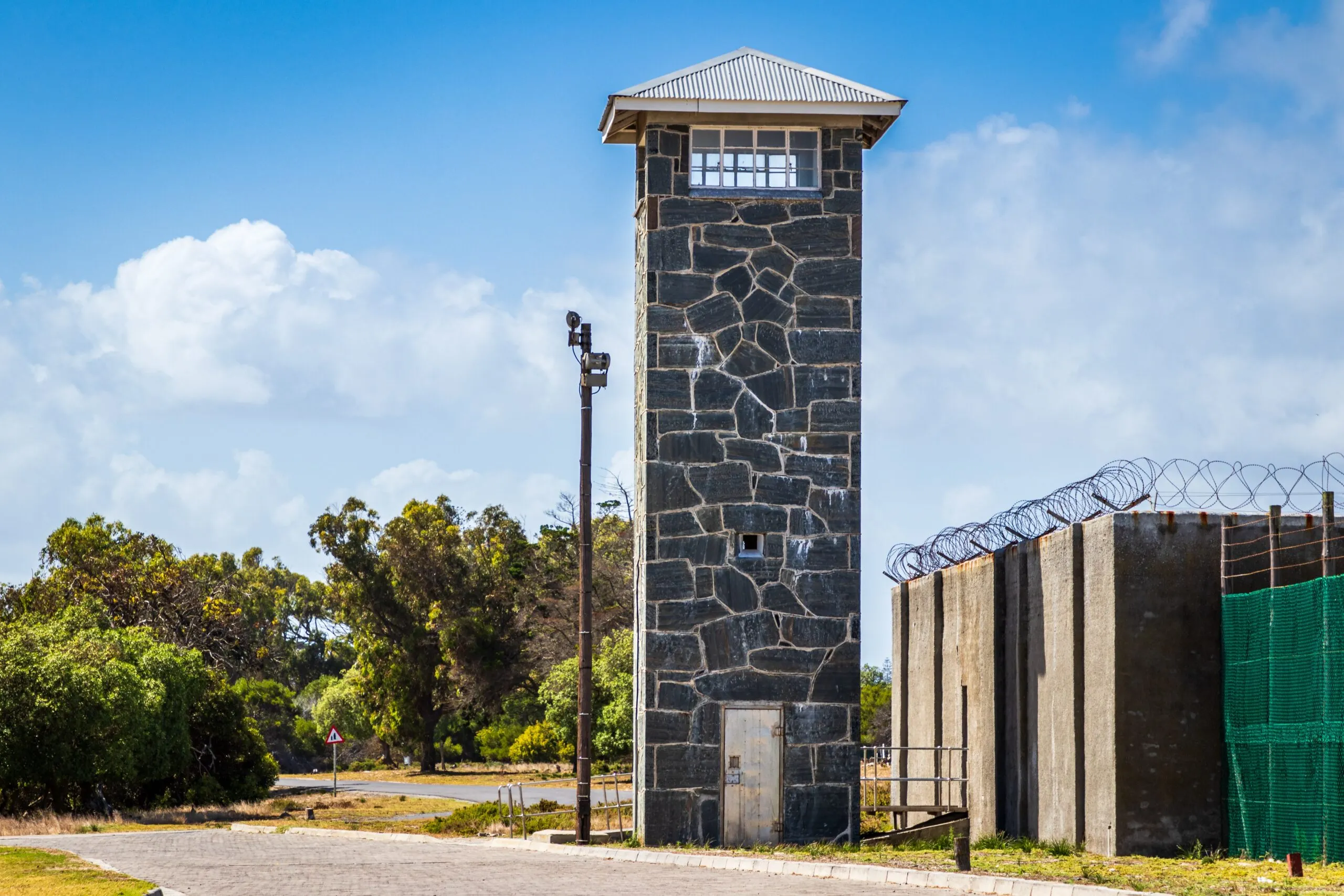
Why Robben Island Still Matters Today: Memory, Democracy, and the Uses of Difficult Heritage
A reflective guide to why Robben Island still matters today as a democratic memory site, a warning against forgetting, and a place for civic education.
→
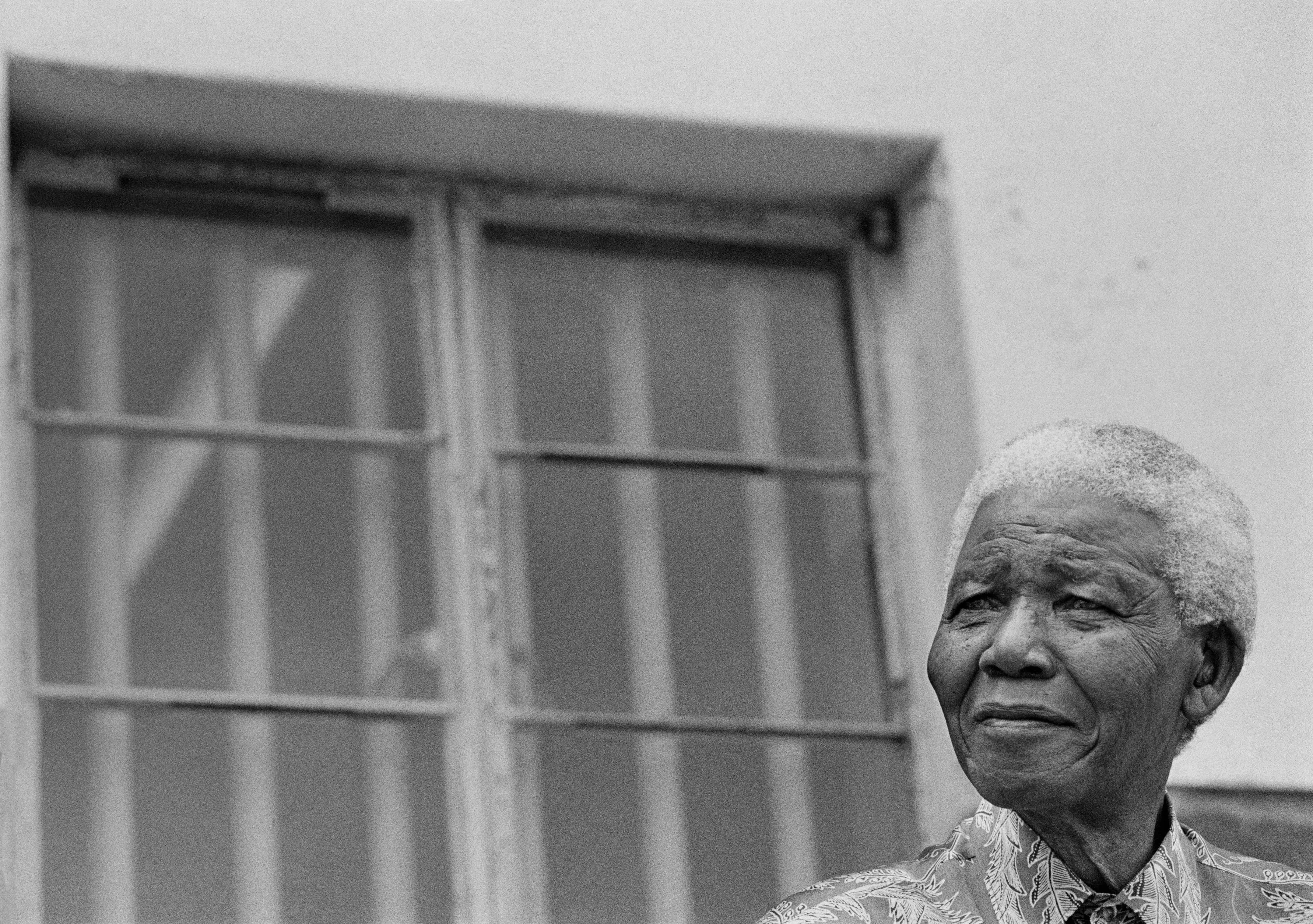
Mandela Returning to Robben Island: Why Those Later Visits Carry So Much Meaning
Explore the symbolic meaning of Mandela's later visits back to Robben Island and what they reveal about memory, forgiveness, and public history.
→