Mandela Returning to Robben Island: Symbolism, Memory, and Public History
Mandela's later returns to Robben Island reveal how prisons become memory sites and how personal biography intersects with national history.
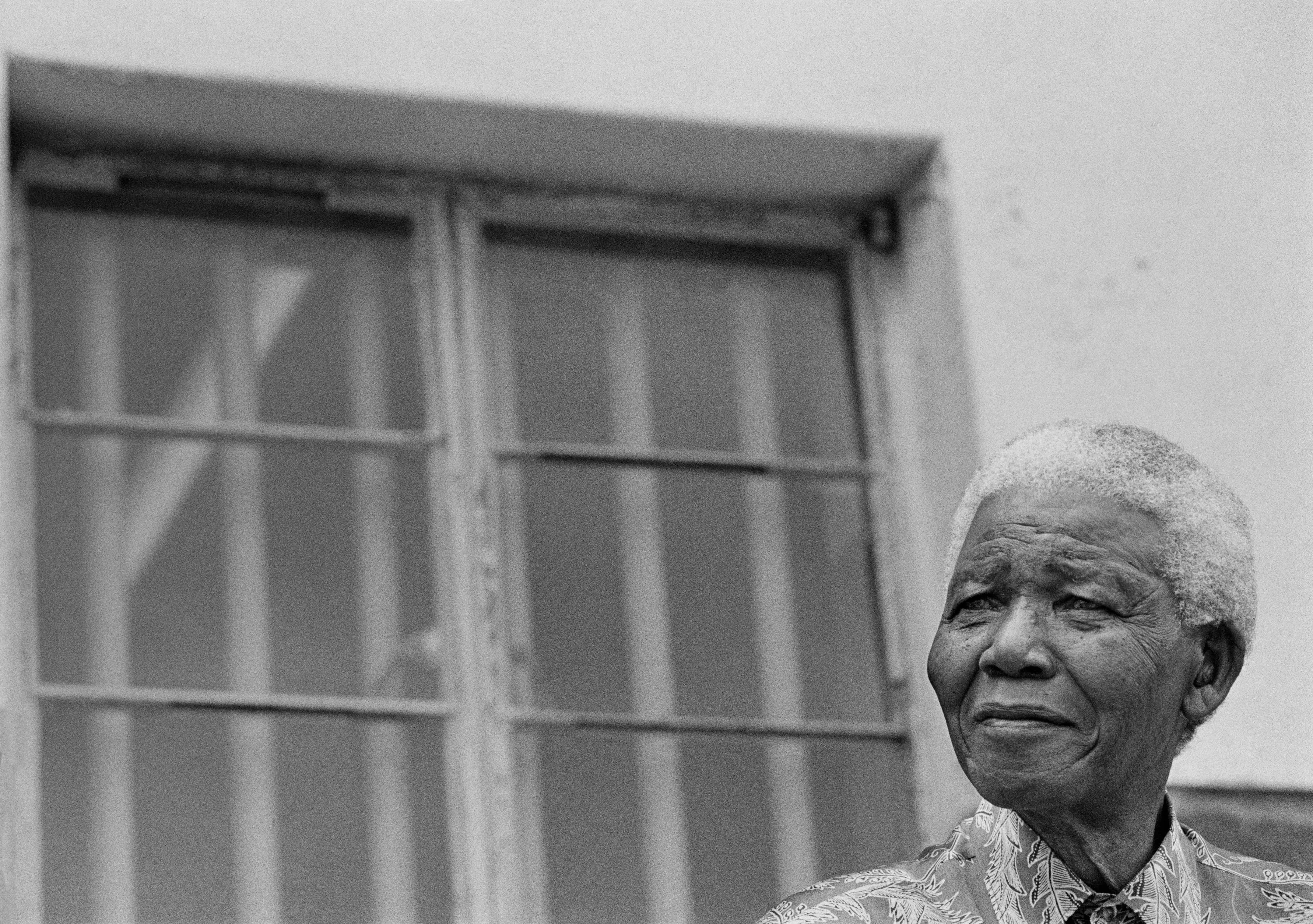
When Mandela later returned to Robben Island, the image carried enormous symbolic power. A former prisoner revisiting the site of confinement is never just a personal moment.
Why these visits mattered
They condensed several historical arcs at once:
- prisoner to president
- repression to democracy
- silence to public testimony
- private suffering to national memory
What visitors often project onto these images
| Common projection | Better interpretation |
|---|---|
| pure closure | memory is more complex than closure |
| simple triumph | democratic transition carried unresolved tensions |
| personal story only | national and global symbolism were also at work |
The power of these return visits lies partly in the contrast between unchanged walls and changed political reality.
What to think about when you see such imagery
- what does it mean to revisit a place of suffering publicly?
- how does a nation use those images to tell a story about itself?
- what is gained and lost when memory becomes iconic?
Bottom line
Mandela's later visits to Robben Island matter because they turned the island from a remembered prison into a living public text about history, dignity, and democratic transformation.
关于作者

Cape Town History Desk
这份指南写给不满足于打卡式旅行的人。罗本岛值得被放在充分背景、尊重与倾听之中。我们希望帮你把行程安排得更清楚,让参访真正回到意义、记忆与理解本身。
Tags
Comments (0)
Loading comments...