Mandela's Release and the Meaning of Robben Island After Apartheid
Understand Mandela's release, the negotiated transition, and how Robben Island changed from prison of repression to place of democratic memory.
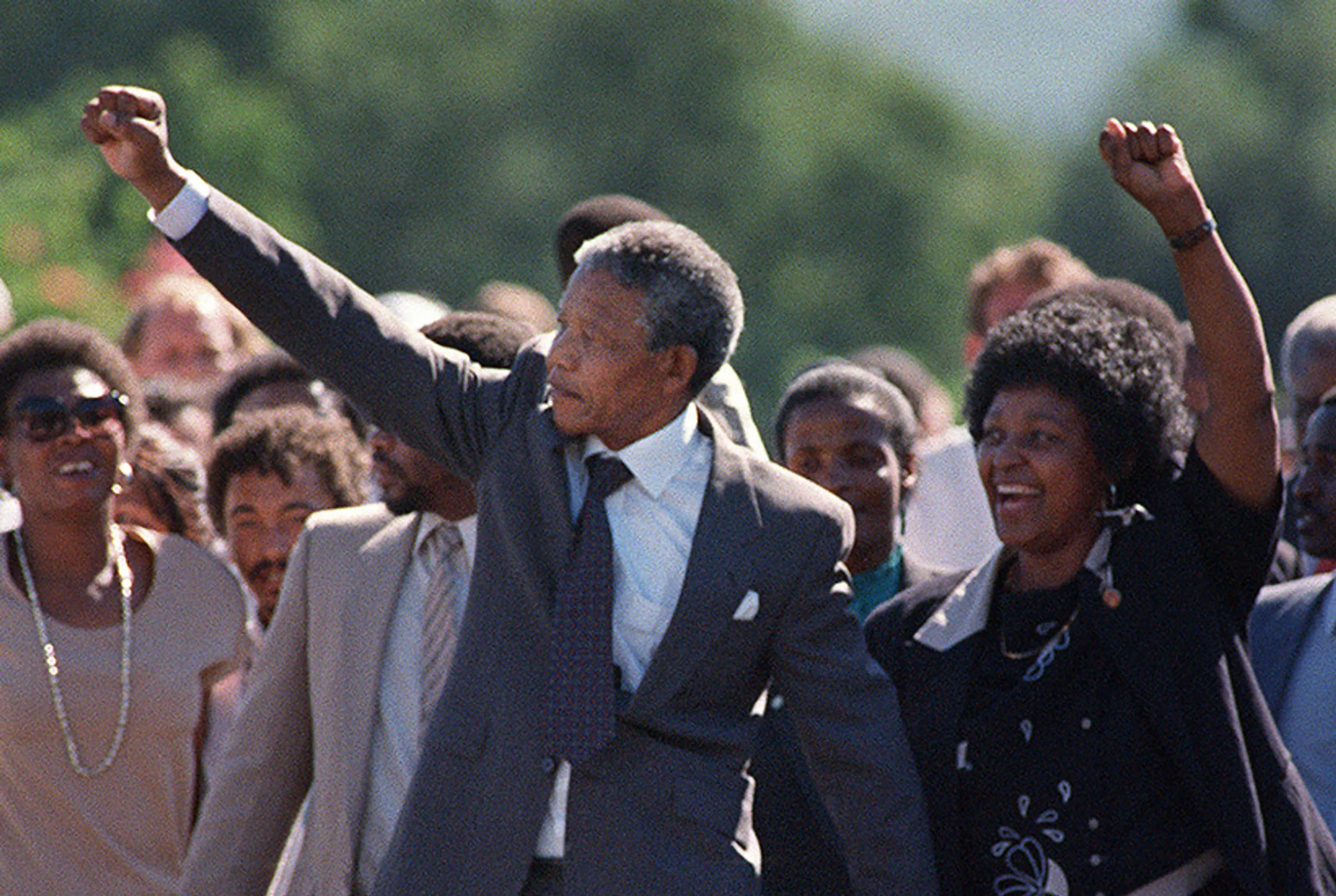
Mandela's release in 1990 is often remembered as a clean turning point. In reality, it was the opening of a complicated transition rather than the end of struggle.
What changed when Mandela was released
- a major political prisoner returned to public life
- negotiations became more central
- apartheid's legitimacy weakened further
- global attention intensified around South Africa's future
What did not change overnight
| Reality | Meaning |
|---|---|
| Inequality remained | Political change was not instant social repair |
| Violence still existed | Transition was fragile |
| Institutions still needed reform | Democracy required rebuilding |
Where Robben Island fits in
Robben Island became retrospectively charged with even more meaning after Mandela's release.
Why?
- It stood for the imprisonment of a future president.
- It embodied the moral failure of apartheid.
- It offered a concrete site where visitors could confront the past.
A prison becomes a memory site when a society decides that forgetting would be dangerous.
From prison to memorial
That transformation was not automatic. It required interpretation, preservation, and public storytelling.
The challenge of memorialization
- preserve authenticity
- avoid hero-only simplification
- include multiple prisoner experiences
- connect the site to the wider apartheid system
Useful framing for visitors
Robben Island is not only about what happened before 1990. It is also about how democratic South Africa chose to remember what happened before 1990.
Past injustice -> public memory -> democratic education
Bottom line
Mandela's release made Robben Island even more symbolic, but the island's deepest value today lies in how it helps later generations understand both repression and democratic transition.
关于作者

Cape Town History Desk
这份指南写给不满足于打卡式旅行的人。罗本岛值得被放在充分背景、尊重与倾听之中。我们希望帮你把行程安排得更清楚,让参访真正回到意义、记忆与理解本身。
Tags
Comments (0)
Loading comments...