Apartheid Explained Before You Visit Robben Island
Understand apartheid before your Robben Island tour: racial classification, pass laws, repression, resistance, and the island's role in that system.
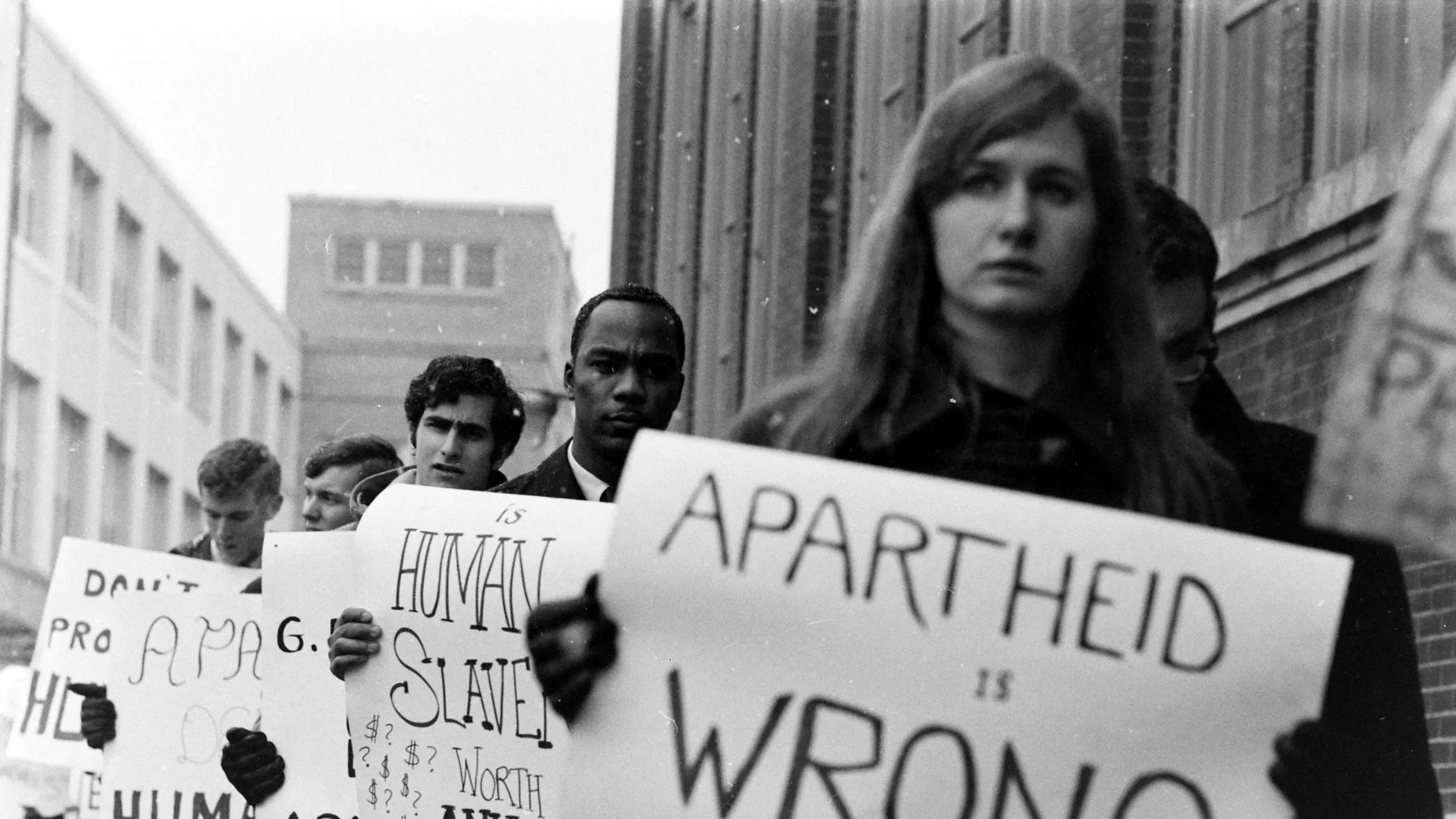
Robben Island makes the most sense when you understand apartheid as a system, not a vague moral failure.
A plain-language definition
Apartheid was a legal and political system in South Africa that enforced racial separation and white minority rule through law, policing, restrictions, and violence.
It shaped:
- where people could live
- where people could work
- who could vote
- who could move freely
- who could study in which institutions
- how police power was used
The logic of apartheid
| Mechanism | Purpose |
|---|---|
| Racial classification | Sort people into state-imposed categories |
| Pass laws | Control movement |
| Separate amenities | Normalize inequality |
| Forced removals | Reshape communities by race |
| Detention and prison | Silence organizers and dissent |
Why Robben Island fits this story
Robben Island was not the whole apartheid system. It was one of its clearest expressions.
On the island, you can see how apartheid treated political opposition:
- isolate leaders
- regulate bodies
- limit information
- fragment solidarity
- turn law into punishment
A prison tour without apartheid context can become shallow symbolism. A prison tour with context becomes civic education.
A fast timeline
- Segregation long predated formal apartheid.
- After 1948, apartheid became more systematically codified.
- Resistance movements organized, protested, and mobilized.
- The state responded with bans, trials, censorship, and imprisonment.
- International pressure and internal resistance weakened the regime.
- Negotiations and democratic transition followed.
What to keep in mind during your visit
- Robben Island is about both suffering and political thought.
- The prison population included many leaders, organizers, and activists.
- Daily routine itself was part of oppression.
- Testimony from former prisoners is historical evidence, not just storytelling.
Checklist before boarding:
- I know apartheid was a legal system, not just prejudice.
- I understand the island housed political prisoners.
- I am prepared to listen rather than consume the visit passively.
Bottom line
If you want Robben Island to feel meaningful rather than merely famous, learn apartheid first. The island is where the system becomes visible in concrete form.
About the Author

Cape Town History Desk
This guide was written for travelers who want more than a checkbox excursion. Robben Island deserves context, respect, and enough time to listen. The goal here is to help you plan clearly so the visit can be focused on meaning, memory, and understanding.
Tags
Comments (0)
Loading comments...