Explore Robben Island Museum with confidence
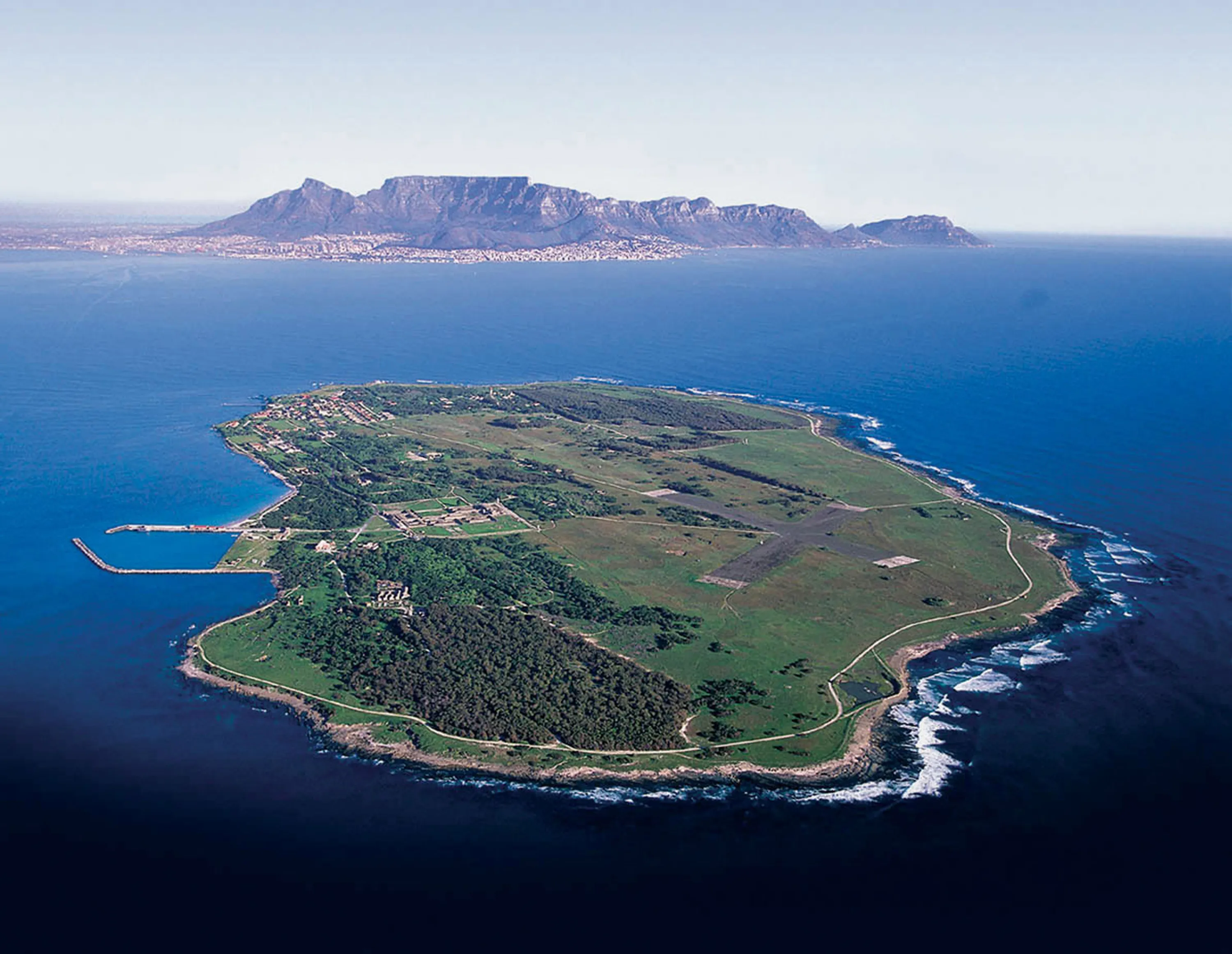
Robben Island is not just a stop on a sightseeing list.
It is a deeply symbolic place where centuries of banishment, segregation, and resistance are preserved with care.
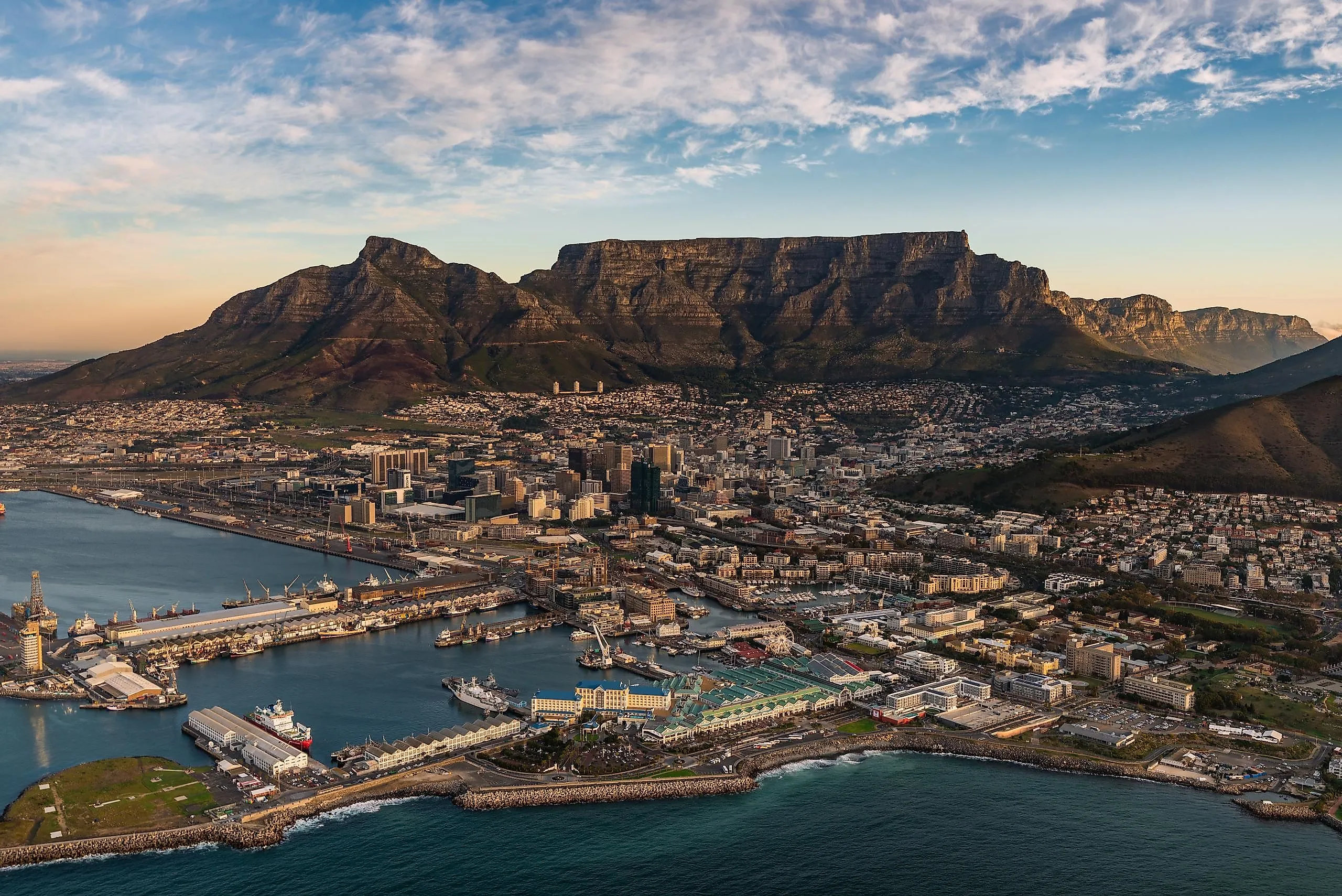
Most visits begin at the V and A Waterfront in Cape Town, where you board the museum ferry for a crossing through Table Bay.
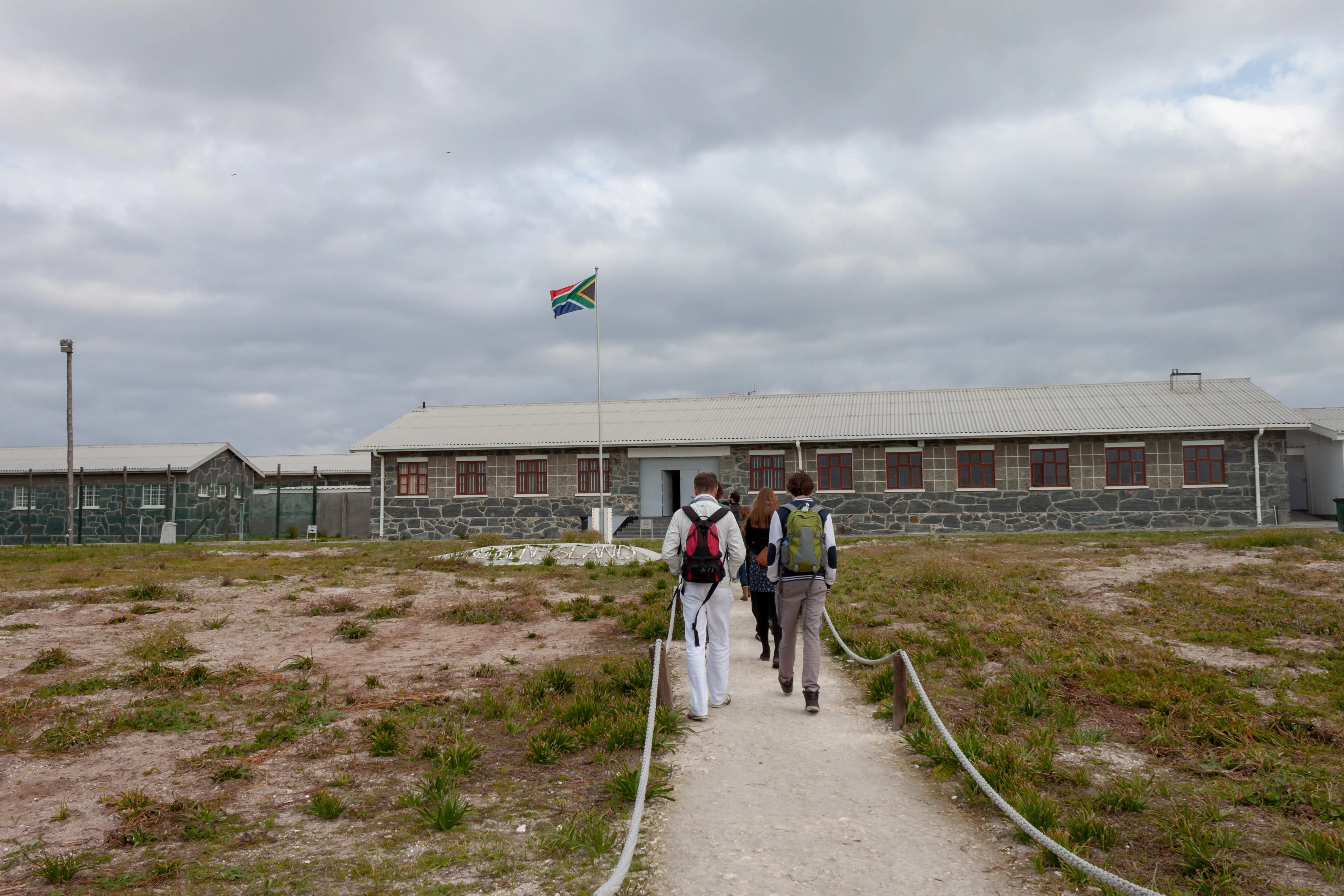
Once on the island, guided transport and walking sections introduce the prison complex, community buildings, and stories of people who lived through harsh systems and still carried hope forward..
Robben Island Museum Visiting timetable
Tour times are scheduled departures from the Nelson Mandela Gateway at the V and A Waterfront. Departure windows and check in requirements can change with demand, sea conditions, and maintenance, so always verify your exact slot before travel.
Robben Island Museum Closing Days
Tours generally run year round, but sailings may be delayed, combined, or canceled due to weather and sea state. Public holidays and peak dates can sell out early.
Where is Located
Robben Island, Table Bay, Cape Town, South Africa
How to reach Robben Island Museum
You cannot self drive to Robben Island. Visitors travel by museum ferry from the Nelson Mandela Gateway at the V and A Waterfront in Cape Town, then continue with the official island tour.
By Train
Cape Town Station is the nearest major rail hub. From there, take a short taxi or e hailing ride to the V and A Waterfront and allow time for traffic, security checks, and ticket collection before boarding.
By Car
If you drive, park at or near the V and A Waterfront and then walk to the Nelson Mandela Gateway terminal. It is best to arrive early, especially in school holidays, weekends, and summer months when parking areas fill quickly.
By Bus
MyCiTi and local transport routes connect many Cape Town neighborhoods to the Waterfront precinct. Once you arrive, follow signs to the Nelson Mandela Gateway and check in at the museum counters.
On Foot
If you are staying in central Cape Town, Green Point, or close to the Waterfront, walking can be simple and pleasant. Aim to reach the terminal with enough time to clear entry procedures without rushing.
Why visit Robben Island Museum
A powerful mix of ferry journey, archival storytelling, and first hand testimony. The experience connects major national history with personal voices in a way few museums can.
Robben Island Museum
Nelson Mandela Gateway and Ferry Crossing
Your journey starts at the Nelson Mandela Gateway, where exhibits and departure halls set the context before you leave shore. The crossing across Table Bay is part of the story itself, offering a physical sense of distance and isolation.
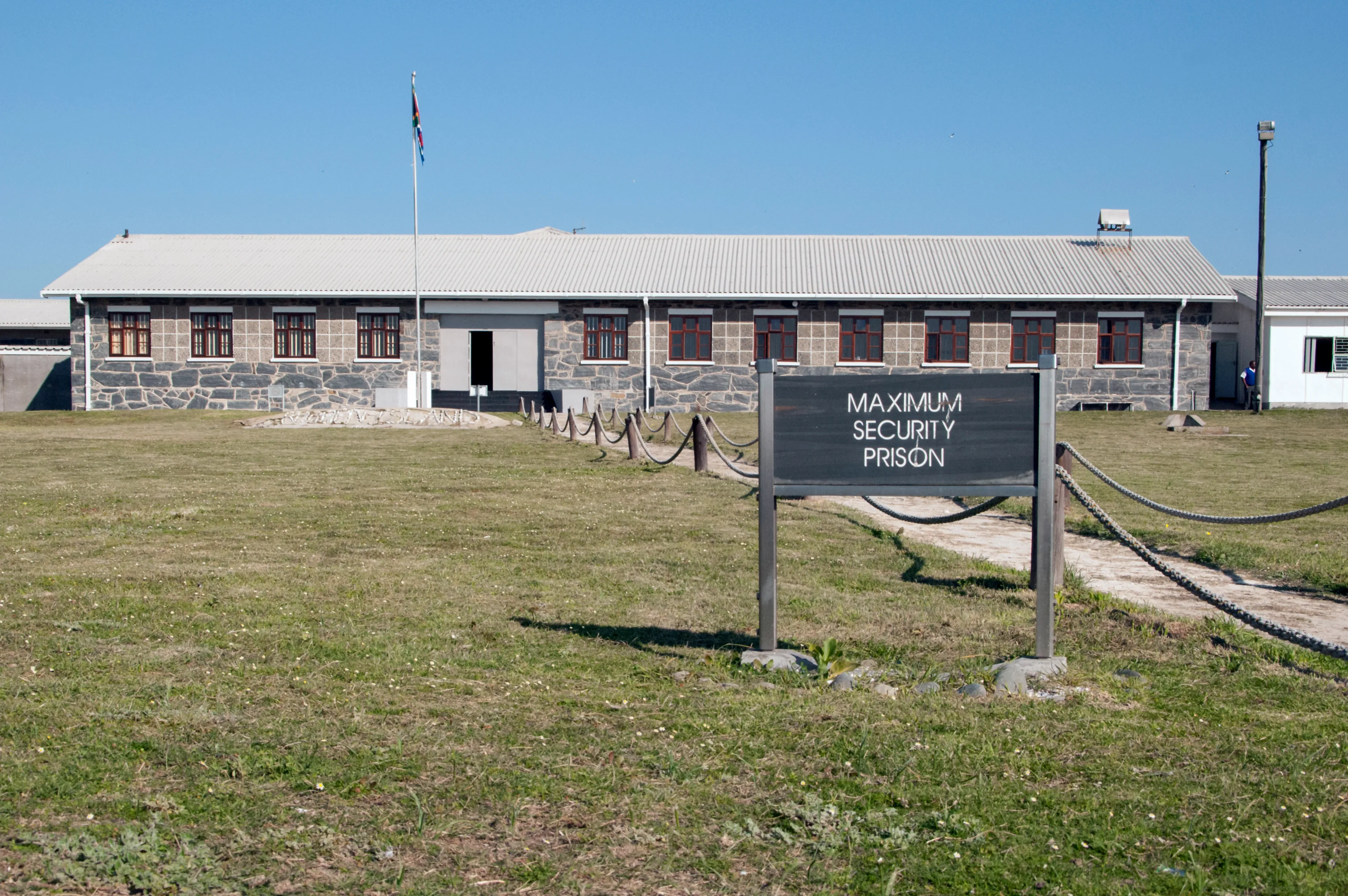
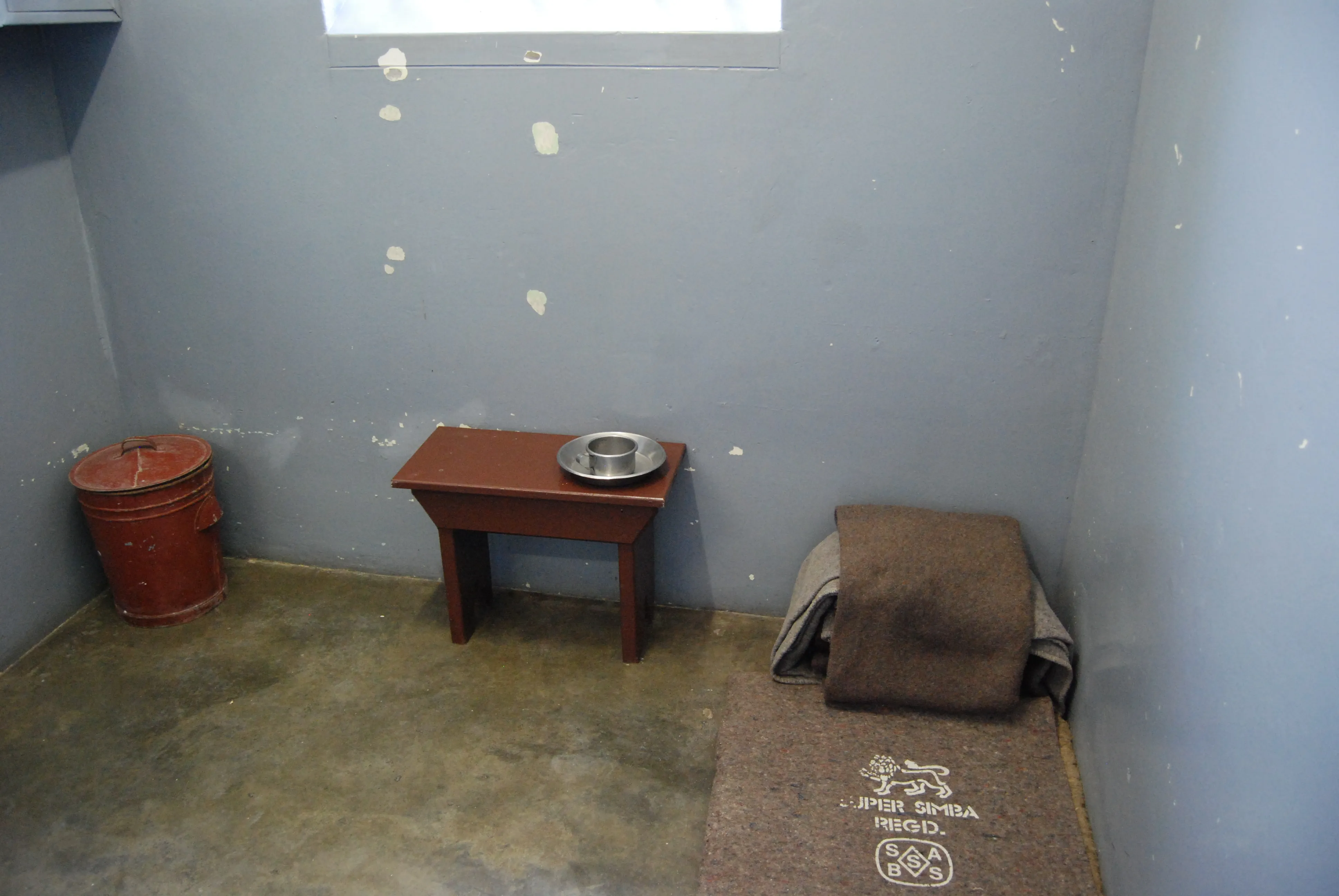
Maximum Security Prison Complex
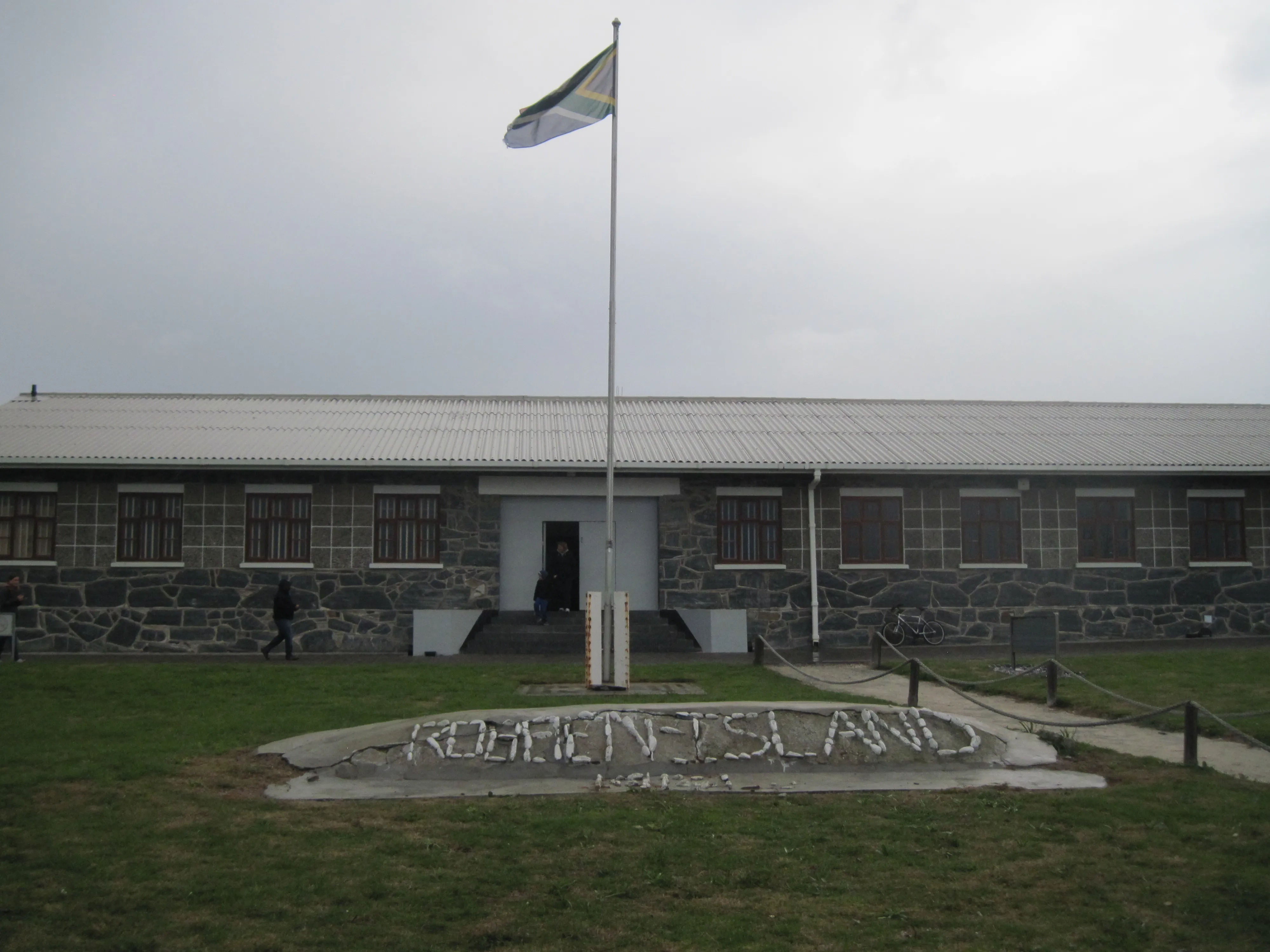
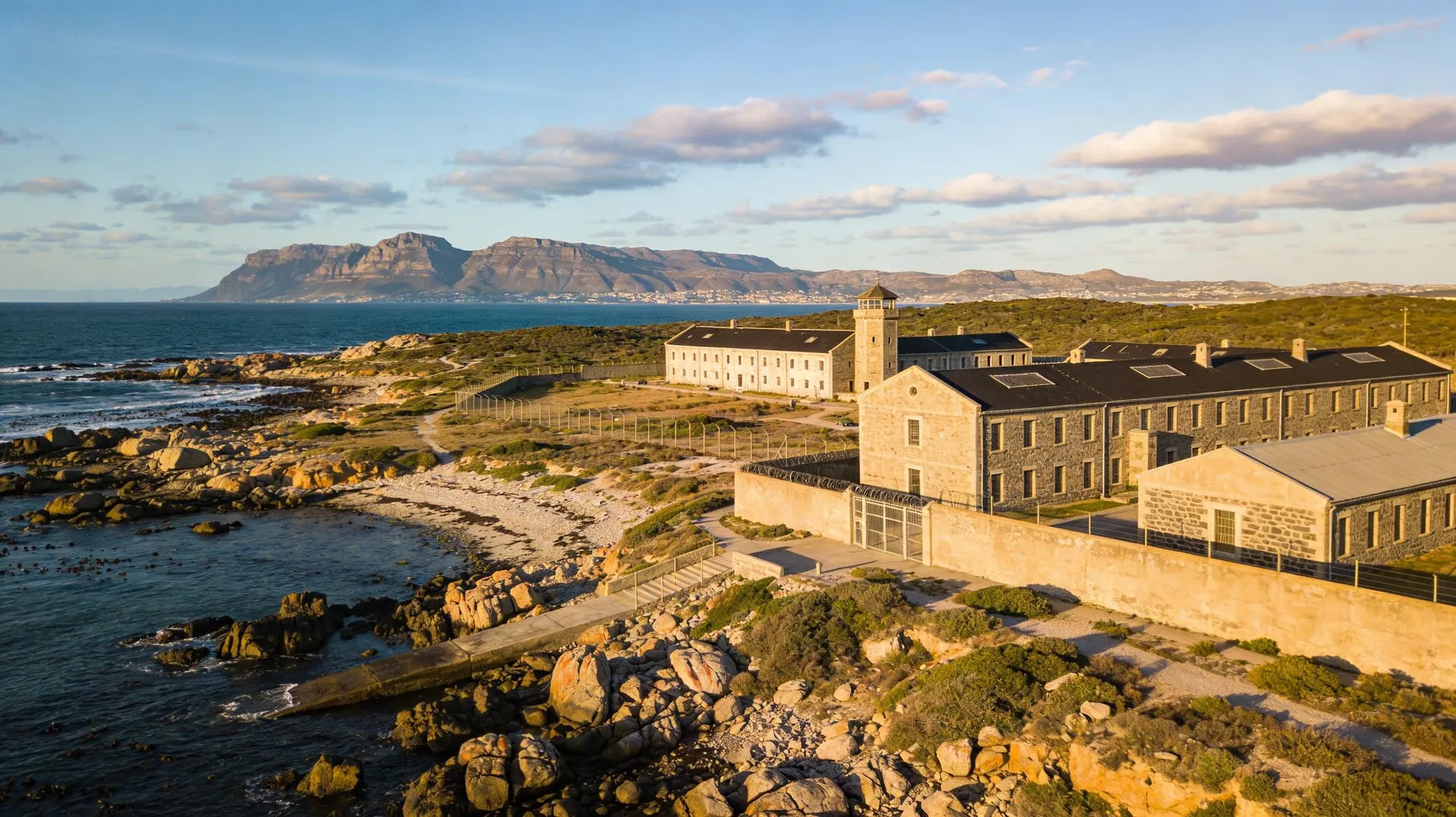
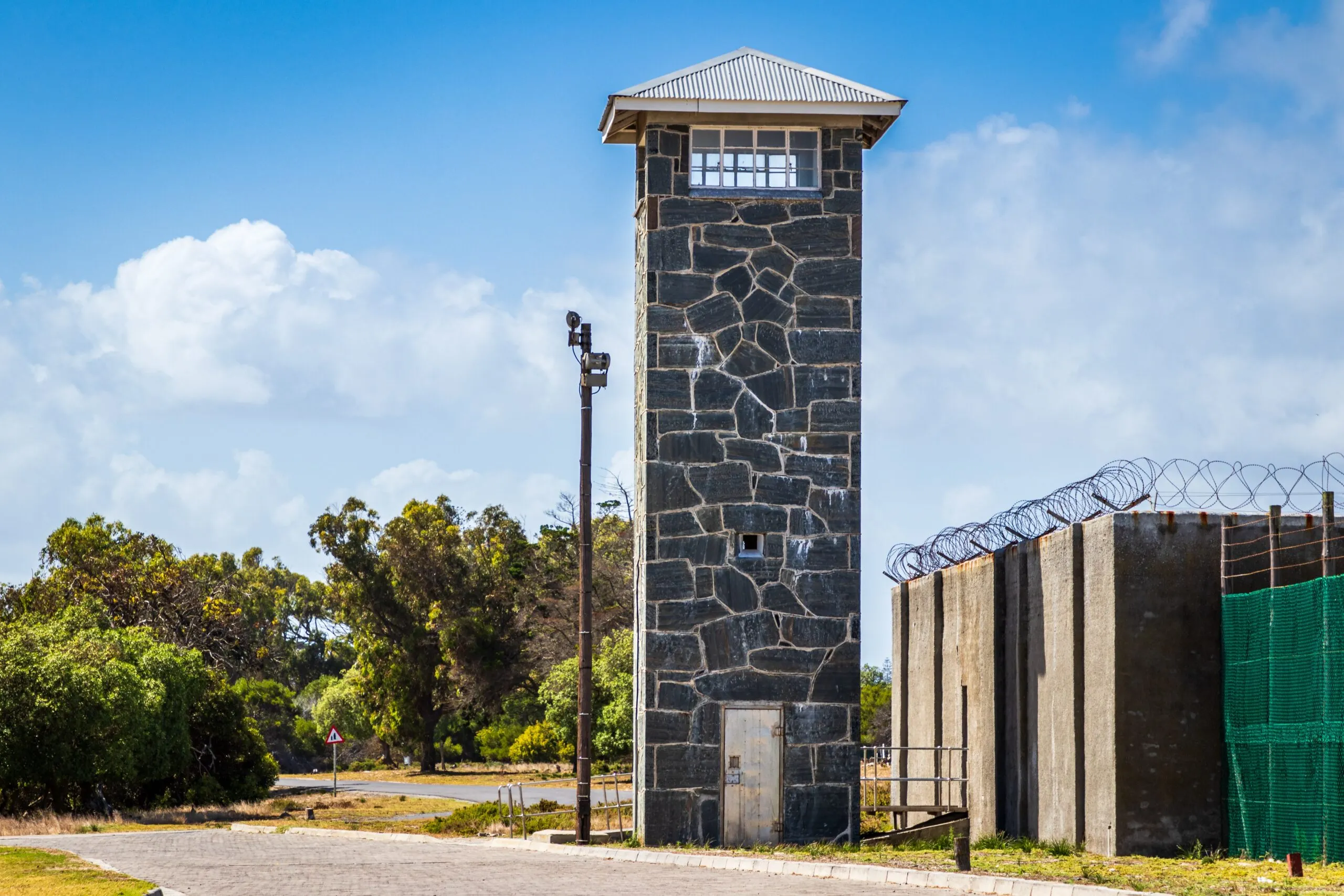
Inside the former prison, visitors see cells, communal spaces, and strict routines that defined daily life for political prisoners. Guides help connect architecture, policy, and lived experience in a way that is direct and deeply human.
Lime Quarry and Island Landscape
The quarry area reveals both environmental beauty and painful labor history. Standing there, with sea wind and broad views, many visitors find the contrast unforgettable: harsh past, open horizon, and enduring dignity.
Robben Island Museum at a glance
Quick essentials for planning a smooth and meaningful visit.
Book your Robben Island Museum visit
Choose your ferry slot and guided tour with enough margin for check in and weather changes.
Combine your island visit with a full Cape Town day, including the Waterfront or nearby cultural sites.