Why the Limestone Quarry Is Central to Robben Island's Story
The limestone quarry reveals the physical and intellectual dimensions of prison life on Robben Island: labor, punishment, discussion, and resilience.
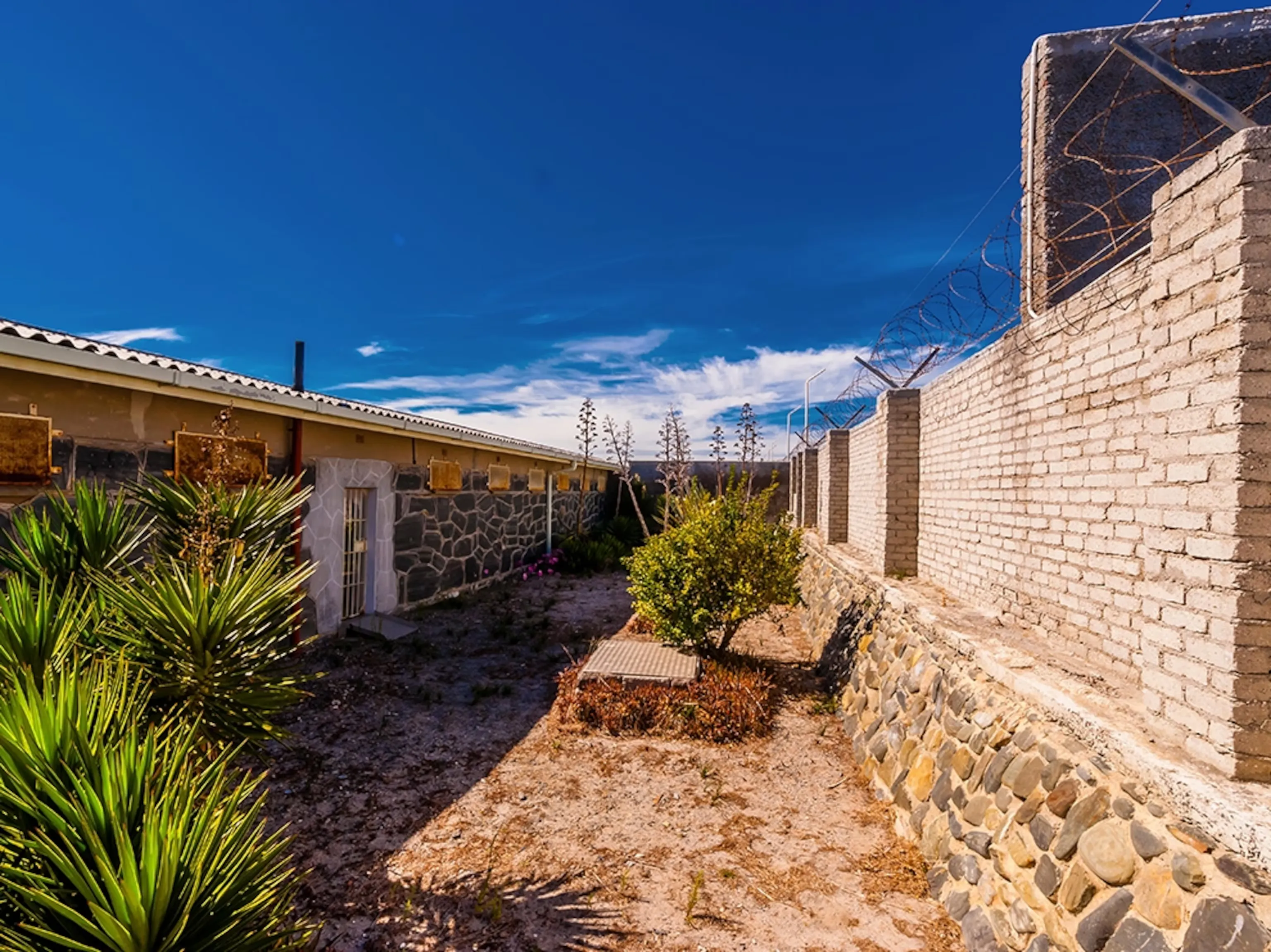
Many visitors remember Mandela's cell first. Historians and former prisoners often emphasize the limestone quarry just as strongly.
Why the quarry matters
The quarry combines several parts of the Robben Island story in one place:
- forced labor
- bodily strain
- environmental hardship
- shared experience
- political conversation
Physical conditions
The glare from the white limestone was severe. For prisoners working there for long periods, the effects were not abstract.
| Quarry factor | Impact |
|---|---|
| Bright reflected light | Eye strain and lasting damage |
| Dust and heat | Physical exhaustion |
| Repetition | Psychological wear |
| Supervision | Constant reminder of control |
Why people call it the "University of Robben Island"
The phrase points to the fact that prisoners used available time and shared space for discussion, learning, and political sharpening.
That included:
- debate across ideological differences
- historical reading where possible
- strategic discussion
- peer teaching
The term should not soften the brutality of the prison. It should highlight the ingenuity of prisoners under pressure.
How to experience the quarry as a visitor
- stand still for a moment instead of moving on quickly
- imagine the glare over hours, not seconds
- connect labor to punishment and to solidarity
A useful interpretive contrast
Cell = individual confinement
Quarry = collective labor and exchange
Together they explain much of the island's logic.
Bottom line
The quarry is one of the deepest interpretive stops on Robben Island because it shows how punishment and intellectual endurance could exist in the same place.
About the Author

Cape Town History Desk
This guide was written for travelers who want more than a checkbox excursion. Robben Island deserves context, respect, and enough time to listen. The goal here is to help you plan clearly so the visit can be focused on meaning, memory, and understanding.
Tags
Comments (0)
Loading comments...