Robben Island History Timeline: Exile, Prison, Memory
A readable timeline of Robben Island history, from colonial exile and segregation to apartheid imprisonment and today's museum site.
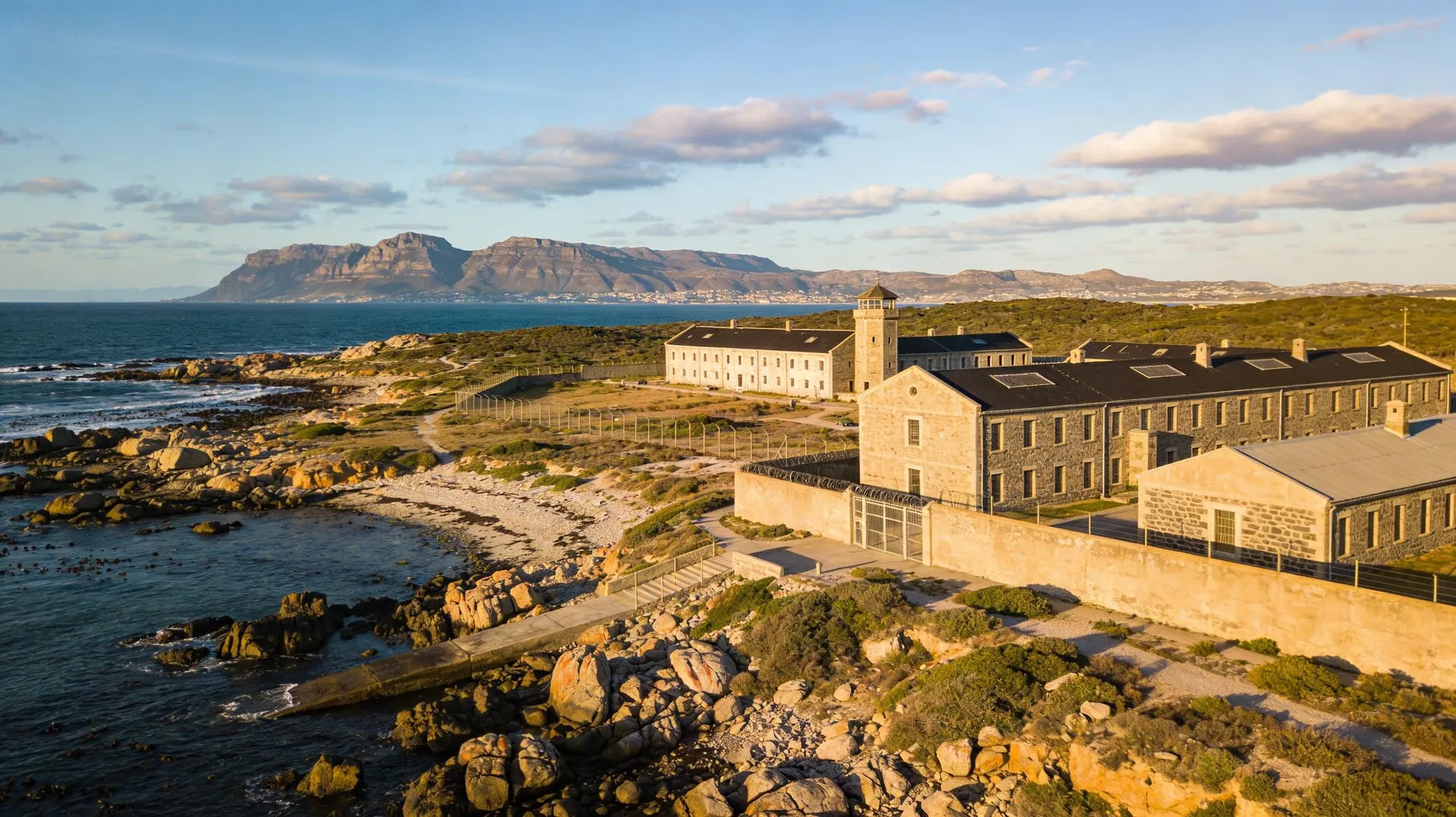
Robben Island did not begin with Nelson Mandela, and understanding that wider history helps explain why the island became such a potent symbol.
Big picture
Across centuries, the island was repeatedly used to isolate people the authorities wanted out of sight.
That included:
- political dissidents
- exiles
- people with illnesses the state segregated
- military personnel
- political prisoners under apartheid
Condensed timeline
| Period | Main use | Why it matters |
|---|---|---|
| Colonial era | Exile and banishment | The island already functioned as a place of removal |
| 19th century | Medical and social isolation | Separation remained central to the island's purpose |
| 20th century | Military and prison uses | Strategic and punitive functions overlapped |
| Apartheid period | Political imprisonment | Global symbol of repression and resistance |
| Democratic era | Museum and memorial | Site of education and remembrance |
The recurring pattern
Robben Island kept being used for one core political idea: separation from the social body.
That pattern matters because it links different eras without flattening them into one simple story.
Apartheid era focus
During apartheid, the island became internationally known because major political prisoners were held there, including Mandela and many other anti-apartheid leaders.
What changed in this era was not only imprisonment itself, but global visibility.
- journalists and campaigners invoked the island as a symbol
- the anti-apartheid movement internationalized its meaning
- the prison became shorthand for state repression
Reading the island today
When you tour the island, try this approach:
- See the landscape first.
- Notice the infrastructure next.
- Only then focus on the famous cell.
That order helps you understand scale, control, and repetition.
reading_strategy:
  landscape: "Why this island?"
  systems: "How did control operate?"
  testimony: "What did prisoners experience?"
  memory: "How is the story told now?"
Bottom line
Robben Island became iconic in the apartheid period, but its deeper history is about removal, confinement, and the long political uses of isolation.
저자 소개

Cape Town History Desk
이 가이드는 단순히 '다녀왔다'는 체크를 넘어서고 싶은 여행자를 위해 쓰였습니다. 로벤아일랜드는 맥락과 존중, 그리고 충분히 귀 기울일 시간이 필요한 곳입니다. 이곳의 목표는 방문 계획을 더 분명하게 정리해, 방문의 초점이 의미와 기억, 그리고 이해 그 자체에 머물도록 돕는 데 있습니다.
Tags
Comments (0)
Loading comments...