Rivonia Trial Explained: How Mandela Was Sent to Robben Island
A readable guide to the Rivonia Trial, anti-apartheid repression, and the historical path that sent Mandela and others to Robben Island.
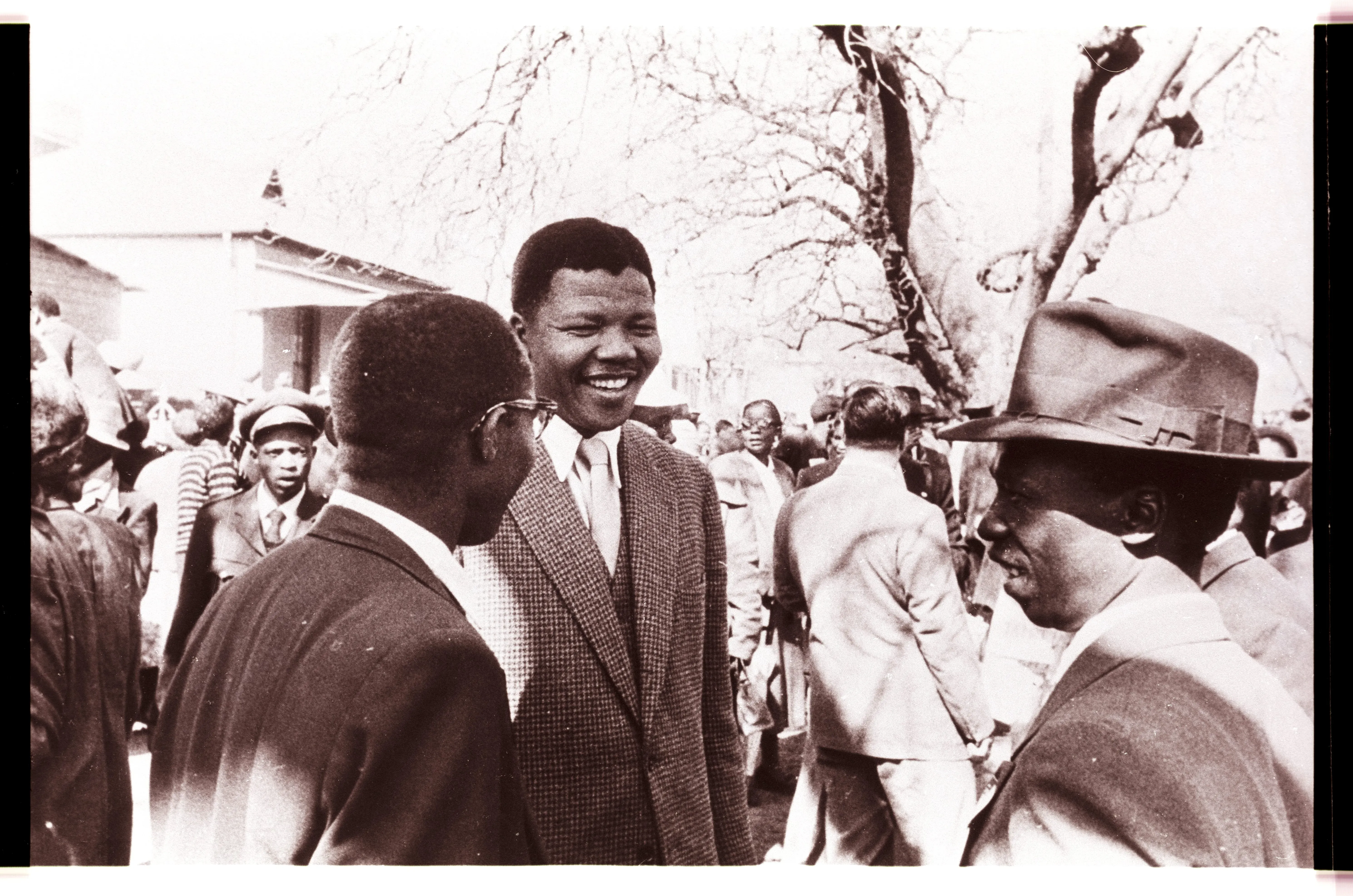
Visitors often jump directly from Mandela the statesman to Mandela the prisoner. The missing bridge is the political conflict that produced the prison sentence.
The basic sequence
- apartheid hardened after 1948
- resistance movements organized against it
- the state escalated repression
- activists were surveilled, arrested, and prosecuted
- the Rivonia Trial became one of the defining political trials of the era
Why the Rivonia Trial mattered
It was not just a courtroom event. It was a state attempt to crush organized resistance leadership.
The stakes
| Question | Why it mattered |
|---|---|
| Who was on trial? | Senior anti-apartheid figures |
| What was at stake? | The future of organized resistance |
| Why is it remembered? | It exposed the regime's fear of political change |
Mandela's role in the historical narrative
Mandela's later global status can distort how we read the trial. At the time, this was about a movement, networks, strategies, and state repression.
Robben Island became internationally symbolic partly because the people sent there already mattered politically.
What the trial helps explain on your visit
When you later stand in the cell block, remember that the prison sentence was the result of a political struggle over the future of South Africa.
The prison is therefore not only a site of suffering. It is also the afterlife of a courtroom, a police system, and a racial state.
What to hold together mentally
- Legal process did not equal justice.
- Prison did not erase politics.
- Isolation did not end organizing culture.
- Robben Island became a chapter in a much larger struggle.
visit_context:
  before_the_cell: "remember the trial"
  before_the_quarry: "remember the sentence"
  before_the_testimony: "remember the movement"
Bottom line
The road to Robben Island runs through the Rivonia Trial, and the trial only makes sense inside the wider apartheid crackdown on political opposition.
著者について

Cape Town History Desk
このガイドは、単に“行ったことにする”旅ではなく、もっと深い体験を求める旅行者のために書かれています。ロベン島には、文脈、敬意、そして耳を傾ける時間が必要です。ここでの目的は、意味、記憶、理解に集中できるよう、訪問計画を明確に整えることです。
Tags
Comments (0)
Loading comments...