Life for Political Prisoners on Robben Island: Routine and Resistance
Learn how daily life worked for political prisoners on Robben Island, including labor, censorship, racial hierarchies, study, and solidarity.
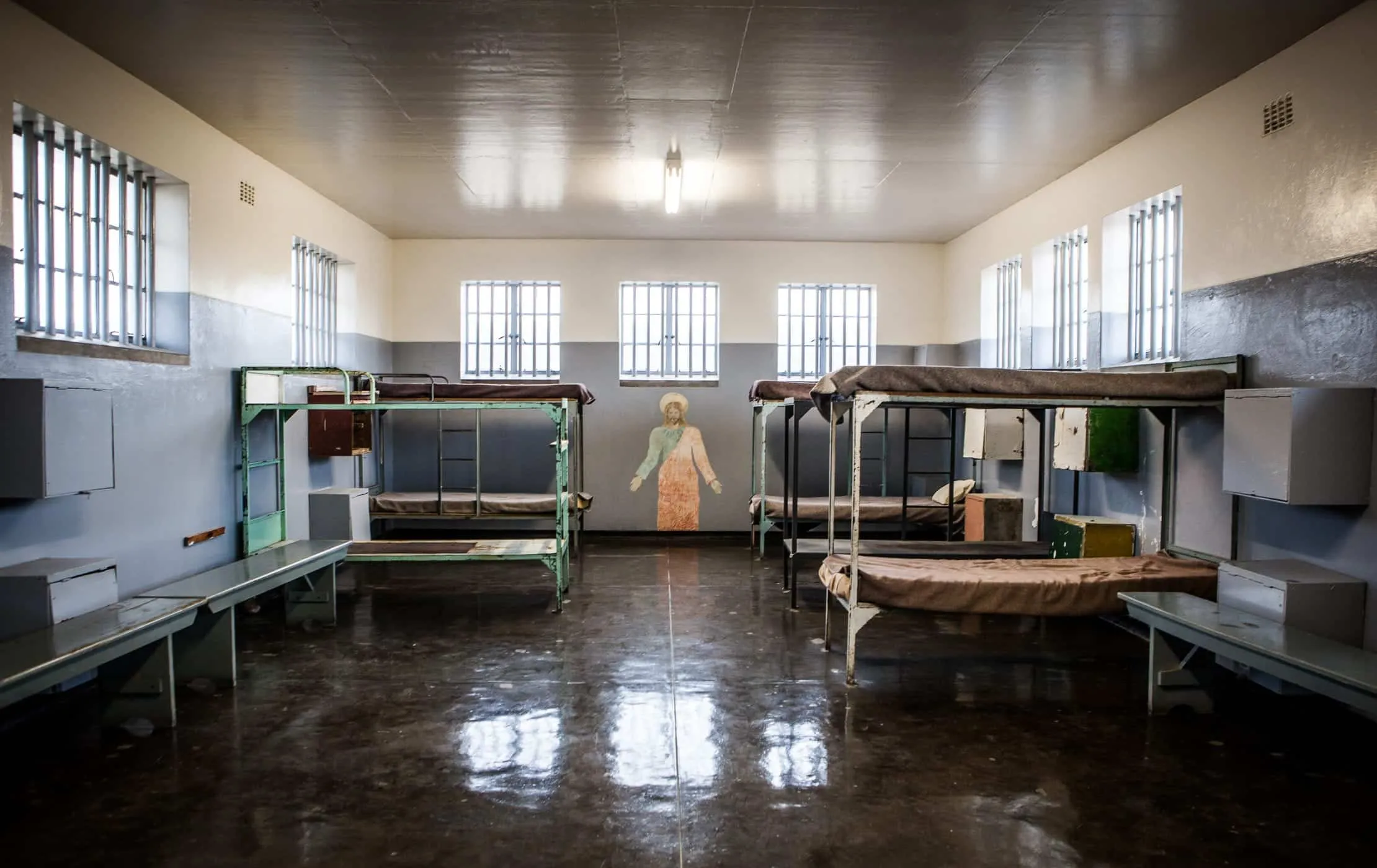
Political imprisonment is often remembered through big speeches and famous names. Real prison life, however, is built from repetition.
Daily life was structured by rules
- wake-up times
- inspections
- controlled meals
- assigned labor
- censored communication
- limited possessions
This structure mattered because the prison aimed to control not just movement, but tempo.
The emotional reality
| Challenge | What it did |
|---|---|
| Monotony | Flattened time |
| Censorship | Narrowed connection to the outside world |
| Isolation | Tested morale |
| Arbitrary authority | Produced constant tension |
And yet prisoners built forms of resistance
Not always dramatic. Often disciplined.
Examples included:
- informal teaching
- political debate
- careful reading
- language learning
- strategic mutual support
This is why some people call Robben Island a "university" as well as a prison. The phrase is not romantic if used carefully; it points to how prisoners kept thinking under pressure.
Inequality inside the prison
Apartheid logic did not stop at the prison gate. It shaped food, treatment, and conditions through racial classification.
That is a critical detail because it shows the prison was an extension of the wider regime, not a separate world.
What visitors can still read in the site
- narrow cells
- hard surfaces
- exposed courtyards
- repetitive corridors
- institutional signage and control points
A useful way to think about prison life
prison_life:
  body: "regulated"
  time: "disciplined"
  communication: "restricted"
  dignity: "contested"
  politics: "never fully extinguished"
Bottom line
Life for political prisoners on Robben Island was harsh partly because it was systematic. What endures in memory is not only suffering, but the refusal to stop thinking and organizing inside that system.
A szerzőről

Cape Town History Desk
Ez az útmutató azoknak az utazóknak készült, akik többet keresnek egy kipipált programnál. Robben Island megérdemli a kontextust, a tiszteletet és azt az időt, amely szükséges az odafigyelő meghallgatáshoz. Célunk, hogy világos tervezési segítséget adjunk, hogy a látogatás a jelentésre, az emlékezetre és a megértésre összpontosulhasson.
Tags
Comments (0)
Loading comments...