Mandela on Robben Island: The 18 Years That Shaped a Symbol
Understand Mandela's years on Robben Island through daily routine, prison restrictions, political learning, and the making of a global symbol.
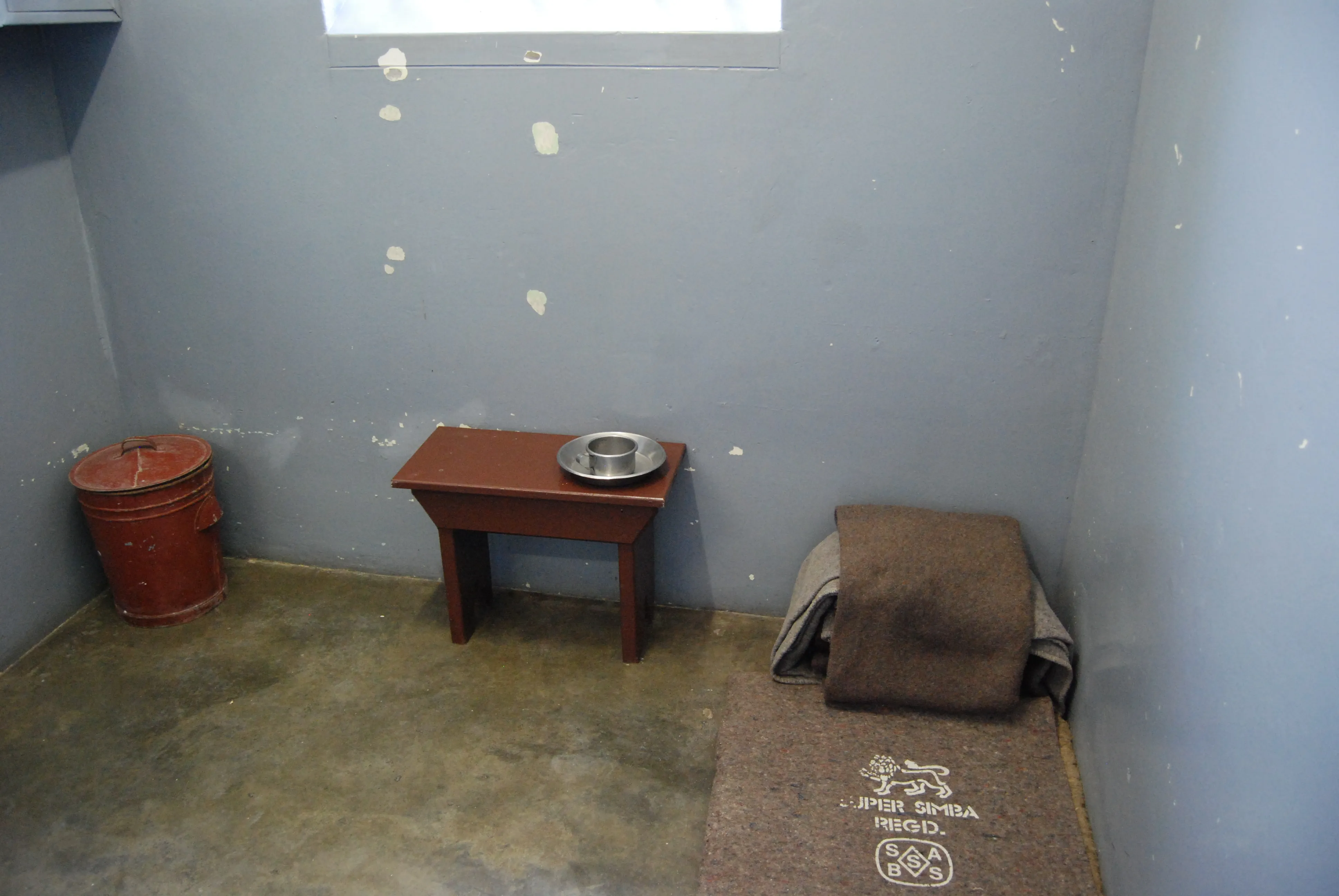
Nelson Mandela arrived on Robben Island in 1964 after the Rivonia Trial. He did not arrive as a global icon. He arrived as Prisoner 466/64 in a system designed to shrink people into numbers.
The short answer
Mandela spent 18 years on Robben Island, from 1964 to 1982, before being transferred to Pollsmoor Prison.
But the more useful question is this: what happened in those 18 years?
Conditions on arrival
- Small cell with sparse furnishings
- Strict censorship of letters and reading material
- Hard labor, including work in the limestone quarry
- Highly controlled movement and communication
- Racially unequal treatment inside the prison system
Daily life was designed to grind people down
| Part of the day | Typical reality |
|---|---|
| Morning | Inspection, regulation, routine |
| Work period | Labor under supervision |
| Meals | Poor quality and unequal by racial category |
| Evening | Limited reading, discussion, reflection |
Prison was not chaos. It was bureaucracy with a political purpose.
The regime wanted obedience. Many prisoners instead built discipline, debate, and quiet resistance.
Mandela's role inside the prison
Mandela was not free to operate as a public leader, but he still became an anchor figure.
He was known for:
- personal discipline
- strategic patience
- respect in conversation
- insistence on dignity
- long-term political thinking
That did not mean easy agreement. Robben Island contained intense debates among prisoners with different generations, ideologies, and tactical visions.
Why Robben Island became politically important
- Major anti-apartheid leaders were held together there.
- Debate continued even under repression.
- Study became a survival tool.
- International campaigns made the prison globally visible.
- Mandela's imprisonment turned into a symbol of apartheid itself.
What visitors often misunderstand
- Mandela was not alone in making the island historic.
- The story is bigger than one cell.
- Prison life included boredom, rules, frustration, and repetition.
- Symbolism came from endurance, not from instant myth.
Key idea:
Robben Island did not create Mandela from nothing.
It sharpened a leader who had already chosen a political path,
and it exposed the moral bankruptcy of the apartheid state.
Bottom line
Mandela's Robben Island years matter because they show how a state tried to crush political resistance and instead helped make that resistance unforgettable.
Sobre el autor

Cape Town History Desk
Esta guia fue escrita para viajeros que buscan algo mas que una excursion para tachar. Robben Island exige contexto, respeto y tiempo suficiente para escuchar. El objetivo aqui es ayudarte a planificar con claridad para que la visita se enfoque en significado, memoria y comprension.
Tags
Comments (0)
Loading comments...